
Alameda, Portland: Historic Architecture on the Ridge
TL;DR:
Alameda is a Northeast Portland neighborhood platted in 1909 and known for early 20th-century architecture, tree-lined streets, and its location along Alameda Ridge. Housing consists primarily of detached single-family homes in Craftsman, Tudor, and other historic styles. It is valued for architectural character and residential stability, with pricing that generally reflects lot size, home condition, and historic appeal.
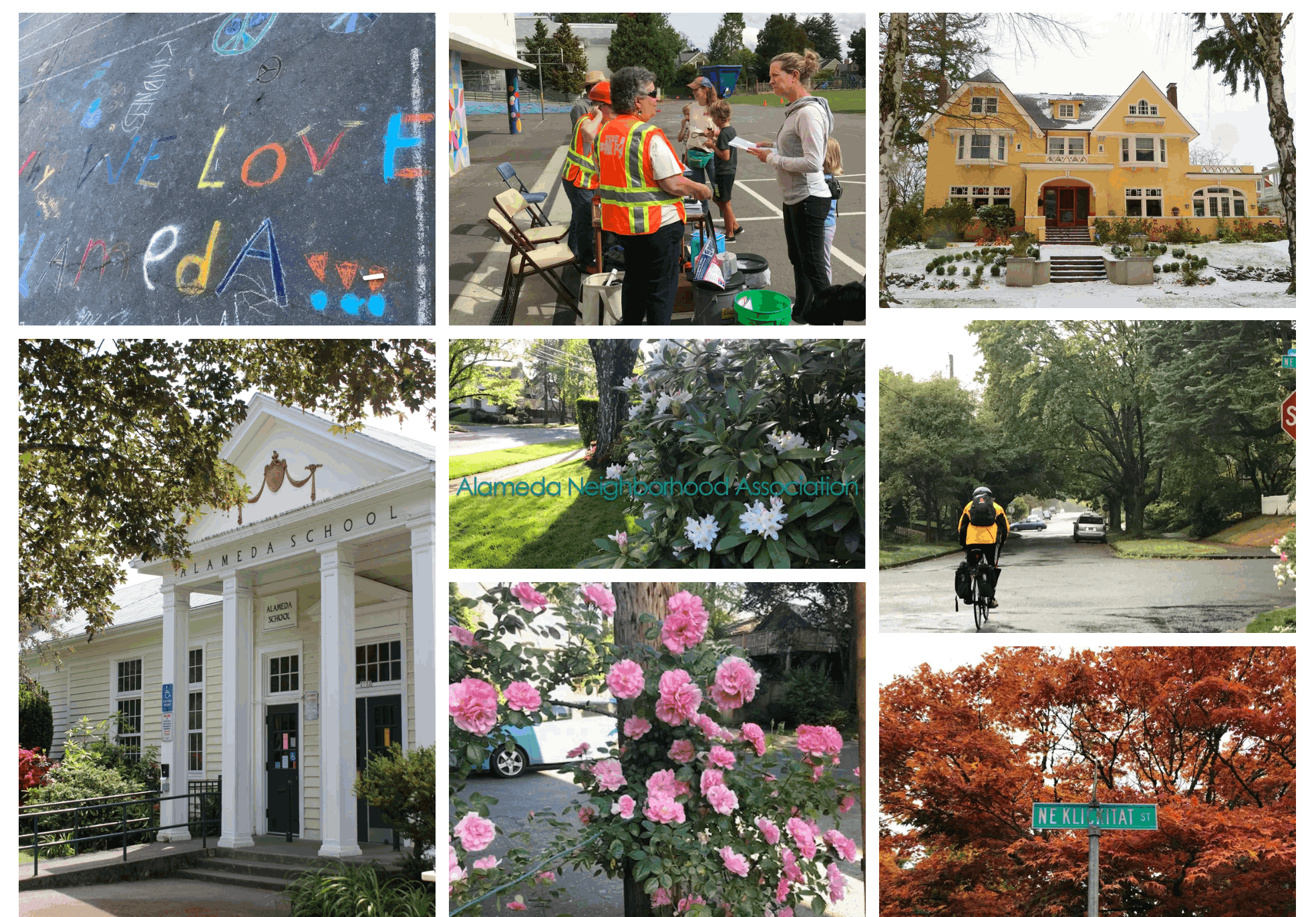 Photo courtesy of the Alameda Neighborhood Association
Historical Development of Alameda
Alameda was formally platted in 1909 during a period of rapid residential expansion in Portland. Developers marketed the area as a residential district with scenic views and distinctive homes. The neighborhood sits on Alameda Ridge, a geologic formation shaped by prehistoric floods, giving parts of the area elevated vantage points and sloping streets.
Early 20th-century architectural styles dominate the neighborhood, reflecting national design movements of that era. Many homes were constructed between the 1910s and 1930s.
Like many neighborhoods developed during that time, original deeds included restrictive covenants that are no longer enforceable and are widely recognized today as discriminatory practices of the past. Modern ownership and housing access are governed by current fair housing laws.
Architectural Character
Alameda is known for well-preserved examples of:
-
Craftsman and Arts and Crafts homes
-
Tudor Revival residences
-
English Cottage designs
-
Period detailing such as built-ins, hardwood floors, and formal dining rooms
Lot sizes tend to be larger than in some inner Portland neighborhoods, and mature trees contribute to the area’s visual consistency.
Because of the age of the housing stock, many homes have undergone updates and renovations, while others retain more original features. Buyers often evaluate foundation integrity, systems upgrades, and seismic retrofitting when considering properties built over 80–100 years ago.
Neighborhood Layout and Amenities
Alameda is primarily residential. Commercial amenities are located in adjacent districts such as Beaumont-Wilshire and the Hollywood District. Parks and neighborhood schools are within or near its boundaries.
Streets are generally quieter and less commercially active than dense mixed-use neighborhoods. The topography includes sloped areas and ridge viewpoints that distinguish it from flatter parts of Northeast Portland.
Housing Market Overview
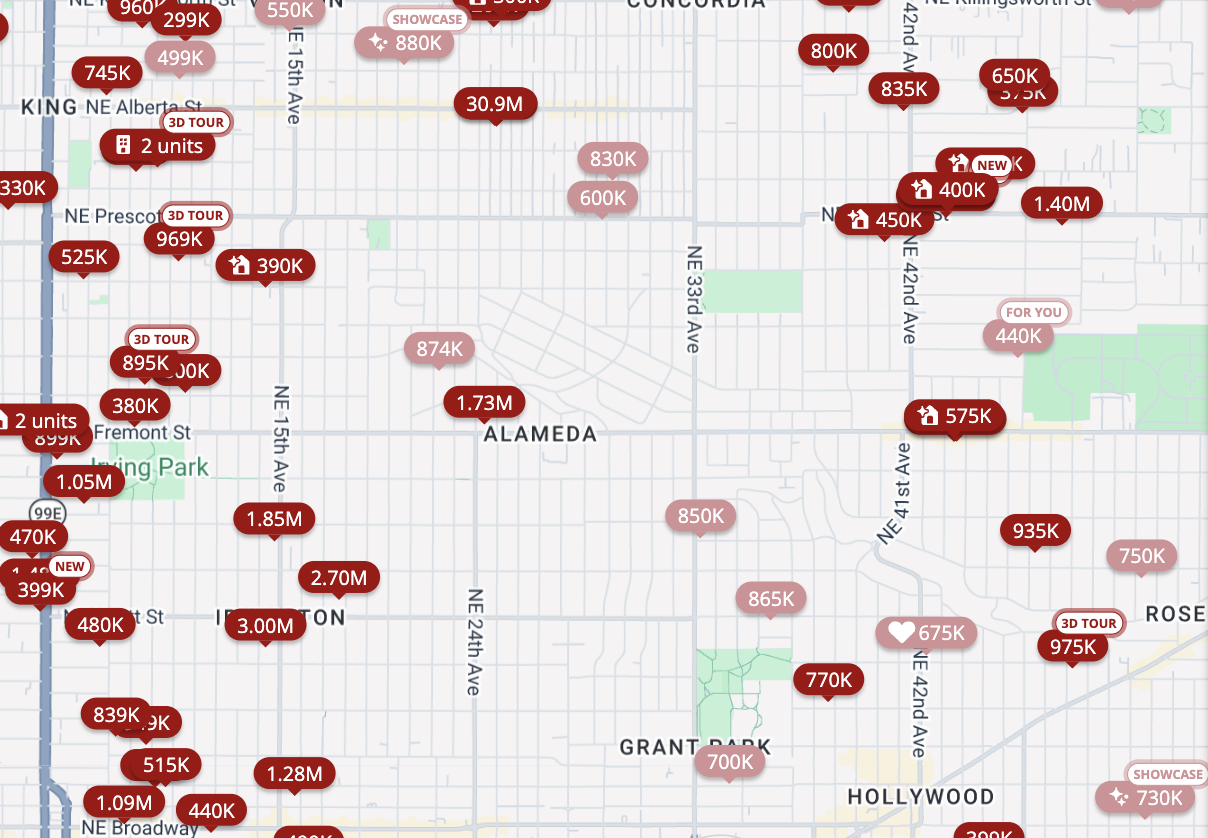
Alameda housing is composed largely of detached single-family homes. There is limited multifamily development compared to neighborhoods closer to downtown.
Home prices typically reflect:
-
Architectural style and preservation
-
Lot size and landscaping
-
Updates to kitchens, bathrooms, and major systems
-
Ridge location and views
Inventory can be relatively limited due to the neighborhood’s built-out nature and long-term ownership patterns.
What Buyers Appreciate — and Consider
Commonly appreciated aspects include:
-
Historic architectural character
-
Established streetscapes
-
Residential setting with access to nearby amenities
Considerations may include:
-
Maintenance needs associated with older homes
-
Higher entry price points compared to some other areas
-
Limited new construction options
Alameda offers a residential environment rooted in Portland’s early 20th-century growth and architectural heritage.
Categories
- All Blogs (158)
- Divorce (5)
- Downsizing (6)
- Eco-Friendly Living (4)
- Explore Oregon (40)
- Food (1)
- Home Buying (96)
- Home Maintenance (26)
- Home Selling (55)
- Home Styling & Staging (2)
- Join REAL (11)
- LGBTQIA+ (11)
- My Life (4)
- Neighborhoods (23)
- PNW Gardening (10)
- Real Estate History (14)
- Relocation (43)
- Veteran Loans (1)
Recent Posts










LET'S CHAT