
You Are On Native Land
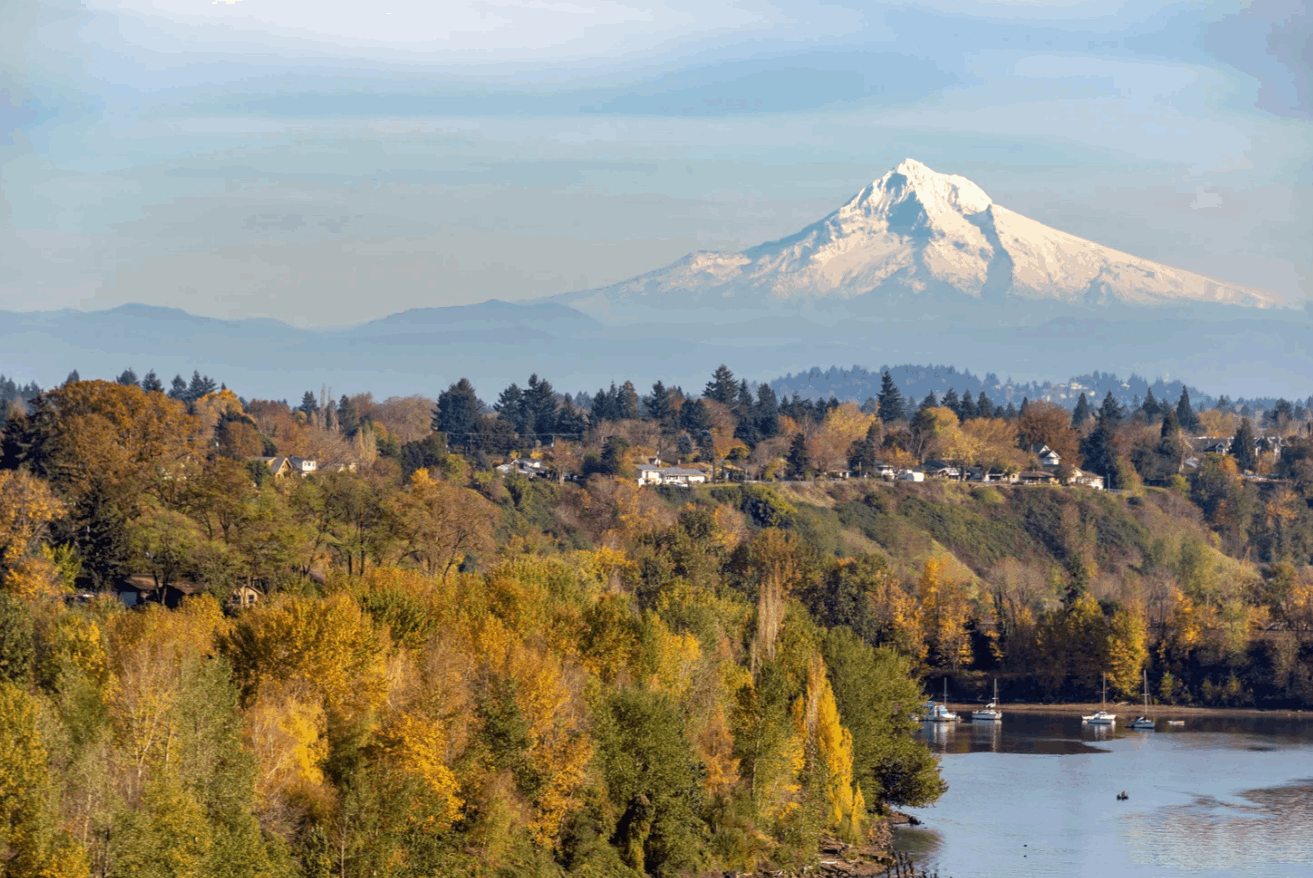
Home and land are inseparable in the work I do. Every showing, every neighborhood tour, every closing is tied to a landscape that long predates property lines and county boundaries.
Here in the Portland Metro and across Yamhill County, the places we live, work, and build community sit on lands originally cared for by:
- The Multnomah people
- The Clackamas people
- The Tualatin (Atfalati) band of the Kalapuya
- The Yamhill band of the Kalapuya
- The Molalla people
- The Chinook people (including Chinookan-speaking peoples whose descendants remain in the region)
- And the many communities whose descendants are members of the Confederated Tribes of Grand Ronde and the Confederated Tribes of Siletz Indians
For thousands of years, these nations tended the rivers, oak savannas, wetlands, forests, and prairie systems that make this region so extraordinary.
Their stewardship shaped the landscapes we now walk, farm, hike, and call home.
These lands were taken through displacement, broken treaties, and federal policies designed to remove Indigenous peoples from the homes they had cultivated since time immemorial. Acknowledging this history is not about assigning blame—it is about being honest, respectful, and grounded in the truth of how these communities were impacted, and how their presence continues today despite systemic efforts to erase them.
As a real estate professional, I am acutely aware that my work exists within systems built on this history. Carrying that awareness is important to me, not as a performative gesture but as a practice of responsibility and respect. I hold a deep conflict between the joy I feel helping people find home and the reality that the concept of “ownership” in this region is rooted in colonization. Naming that tension is part of staying accountable to the values I claim—care, justice, community, and honesty.
To honor the original stewards of this land in a tangible way, I donate a portion of my commission for every sale on Tribal ancestral land to the Tribal Nations connected to that place. This commitment is one way I practice reciprocity and recognize the living Indigenous communities who continue to shape and protect this region.
My hope is that by grounding my work in truth and respect, I can help create a culture of remembrance and relationship—where land is not just a commodity, but a place with a long, living story.