
Can I Skip the Inspection on a New Build?
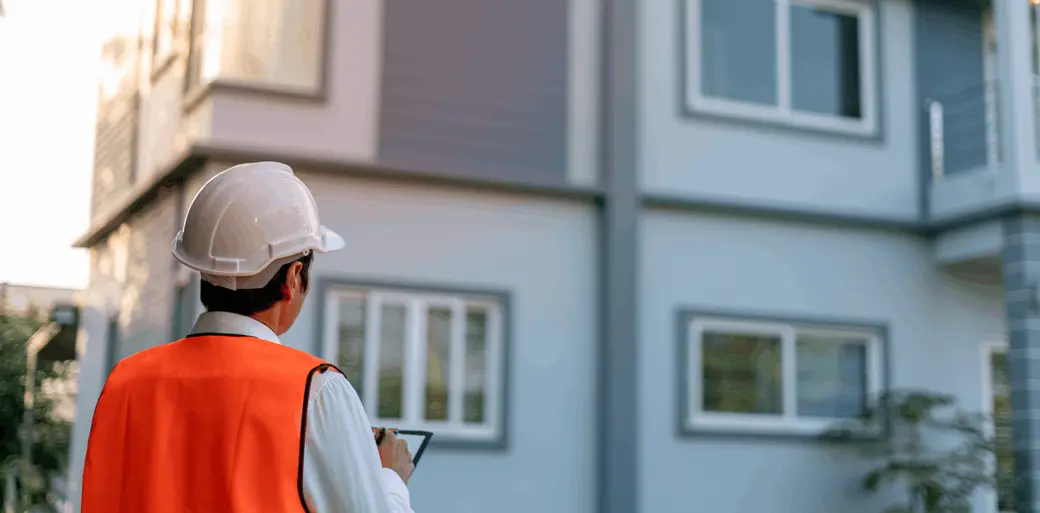
While it can be tempting to skip the inspection on a newly constructed home, I'd advise against it. A brand-new home isn't automatically defect-free, and the city inspector who signs off on construction is checking for code compliance, not for the kind of workmanship issues that will cost you money a few years in. An independent inspection is one of the cheapest forms of protection you'll buy in the entire transaction.
Buyers ask me this all the time, usually with a reasonable-sounding line of thinking: the house is brand new, the city inspected it, the builder offers a warranty, so why pay another $500 to $800 for a private inspection? I get it. After a long relocation process, every line item starts to feel optional. But this is one I rarely let a client skip, and here's why.
What does a city inspector actually check?
City and county inspectors confirm that the build meets the minimum requirements of Oregon's building code. That's a real standard, and it catches a lot. What it doesn't catch is quality. A wall framed to code can still be out of plumb. A roof that passes inspection can still have flashing installed in a way that won't keep water out by year three. Drainage that satisfies the grading requirement can still slope water toward your foundation in a heavy December storm.
Code is a floor, not a ceiling. Municipal inspectors also work on tight schedules and don't spend hours in a single home. A private inspector hired by you is there for one purpose: to find things that affect you as the owner.

What kinds of issues actually turn up on new builds?
More than buyers expect. The most common ones I see on new homes in the Portland metro fall into a few categories:
- Grading and drainage problems, which matter enormously here given how much rain we get.
- Roof and flashing details that look fine from the curb but won't hold up.
- HVAC systems that are oversized, undersized, or hooked up to ductwork that's leaking conditioned air into the attic.
- Plumbing connections that weren't fully tightened.
- Electrical outlets wired with reversed polarity.
- Cosmetic shortcuts like misaligned trim, uneven flooring, or gaps in caulking that signal a crew that was moving fast at the end.
None of this means your builder is bad. New construction involves dozens of subcontractors working under deadline pressure, and the final walkthrough often happens before the last details are settled. The inspection is how you catch what slipped through and gives you leverage for getting things fixed before you move in.
Doesn't the builder's warranty cover me?
Partially. Oregon law (ORS 701.320) requires builders of new homes to make a written offer of warranty, but the buyer can accept or refuse, and the law doesn't dictate the length or terms. In practice, most production builders offer something in the range of one year on workmanship and materials, two years on major systems like plumbing and electrical, and ten years on structural defects. Coverage varies, so read your specific warranty carefully.
The catch is that a warranty only helps if you know what to claim. If a flashing issue goes undetected for two years and starts leaking in year three, you're often past the workmanship window. An inspection in the first year, before that warranty clock runs out, gives you a documented punch list to take back to your builder while everything is still covered.
I usually recommend a pre-drywall inspection if the timeline allows, a final inspection before closing, and an 11-month inspection right before the one-year workmanship coverage expires. That last one is where buyers most often recover real money.
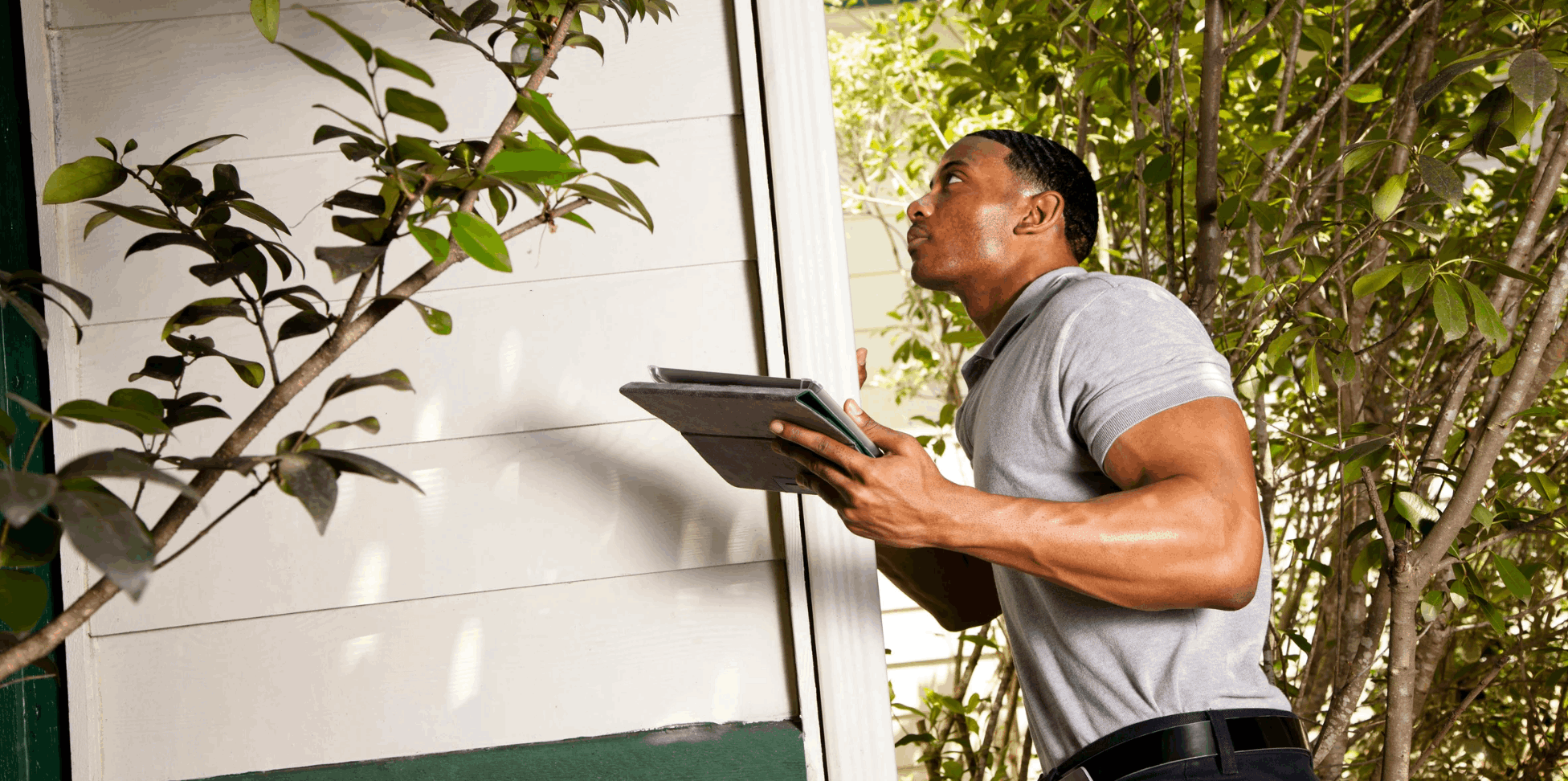
A note on Oregon home inspections
Our state's wet climate puts more pressure on roofing, siding, drainage, and crawl space ventilation than many out-of-state buyers are used to. Issues that might not surface for years in a drier place show up faster here. That's another reason I push hard on inspections for clients relocating from places like Arizona or Texas. Your new home will be tested by Oregon weather in ways your last one wasn't.
Categories
- All Blogs (158)
- Divorce (5)
- Downsizing (6)
- Eco-Friendly Living (4)
- Explore Oregon (40)
- Food (1)
- Home Buying (96)
- Home Maintenance (26)
- Home Selling (55)
- Home Styling & Staging (2)
- Join REAL (11)
- LGBTQIA+ (11)
- My Life (4)
- Neighborhoods (23)
- PNW Gardening (10)
- Real Estate History (14)
- Relocation (43)
- Veteran Loans (1)
Recent Posts









LET'S CHAT