
Signs of Water Damage: Red Flags to Look for When Touring Portland Homes
Portland's damp climate means water damage is the single most common issue buyers encounter during a home search here. Evidence shows up in basements, crawl spaces, rooflines, and walls — sometimes visibly, sometimes only as a smell. Knowing what to look for on a walkthrough can save you from a costly mistake or, at minimum, put you in a stronger negotiating position before you close. Your real estate agent can help you negotiate to ensure your investment is protected.

Why does water damage matter more in Portland than other cities?
If you're moving to Oregon from somewhere drier, like Phoenix, Denver, or Dallas, your frame of reference for what a house should smell and feel like may not serve you well here. Portland averages around 36 inches of rain annually, most of it delivered slowly and persistently between November and March. That kind of sustained moisture doesn't just fall on roofs and run off. It finds its way into foundation walls, crawl spaces, and anywhere a seal has degraded or a gutter has failed. Homes that have been well-maintained handle this fine. Homes that haven't can accumulate years of hidden damage that only becomes apparent when you know what you're looking for.
The good news is that water damage leaves evidence. You just have to know where to look.
What are the signs of water intrusion during a home walkthrough?
Start in the basement or crawl space if the home has one. These are the places water pools first and dries last. Look for staining along the base of foundation walls: white mineral deposits called efflorescence indicate water has been moving through concrete over time. Dark staining, soft drywall, or visible rust on any metal components are also worth flagging. If the space smells musty the moment you open the door, take that seriously. Musty odor isn't always accompanied by visible mold, but it almost always means moisture has been present long enough to begin biological growth somewhere.
On the main floors, check the corners of rooms, the base of exterior walls, and anywhere near windows, particularly older single-pane windows that collect condensation. Look at the ceiling in the top floor and in any rooms directly below a bathroom. Staining that's been painted over often shows through as a slightly different texture or a faint yellow or brown ring. Press lightly on walls near windows or in bathrooms; soft drywall indicates moisture behind the surface.
In the kitchen and bathrooms, open the cabinets under sinks. Water damage under kitchen and bathroom sinks is extremely common and often goes unaddressed for years. Look for staining, soft cabinet floors, or evidence of previous repairs such as a patch of mismatched wood or a newer piece of cabinet lining in an otherwise older home.
Don't skip the exterior. Walk the perimeter and look at where the gutters terminate. Downspouts that empty directly against the foundation, or that are disconnected, are a direct path for water into the basement or crawl space. Look at the grade of the soil: it should slope away from the house, not toward it. Check the roofline from the street for any visible sagging, missing shingles, or moss and lichen growth. Moss on a roof isn't automatically a deal-breaker in Portland (it's common) but heavy moss accumulation holds moisture against shingles and accelerates their deterioration.
If the home has a garage, check the ceiling and upper walls for staining. A garage that shares a wall with the house is a common entry point for water intrusion that goes unnoticed because nobody spends much time in there looking up.
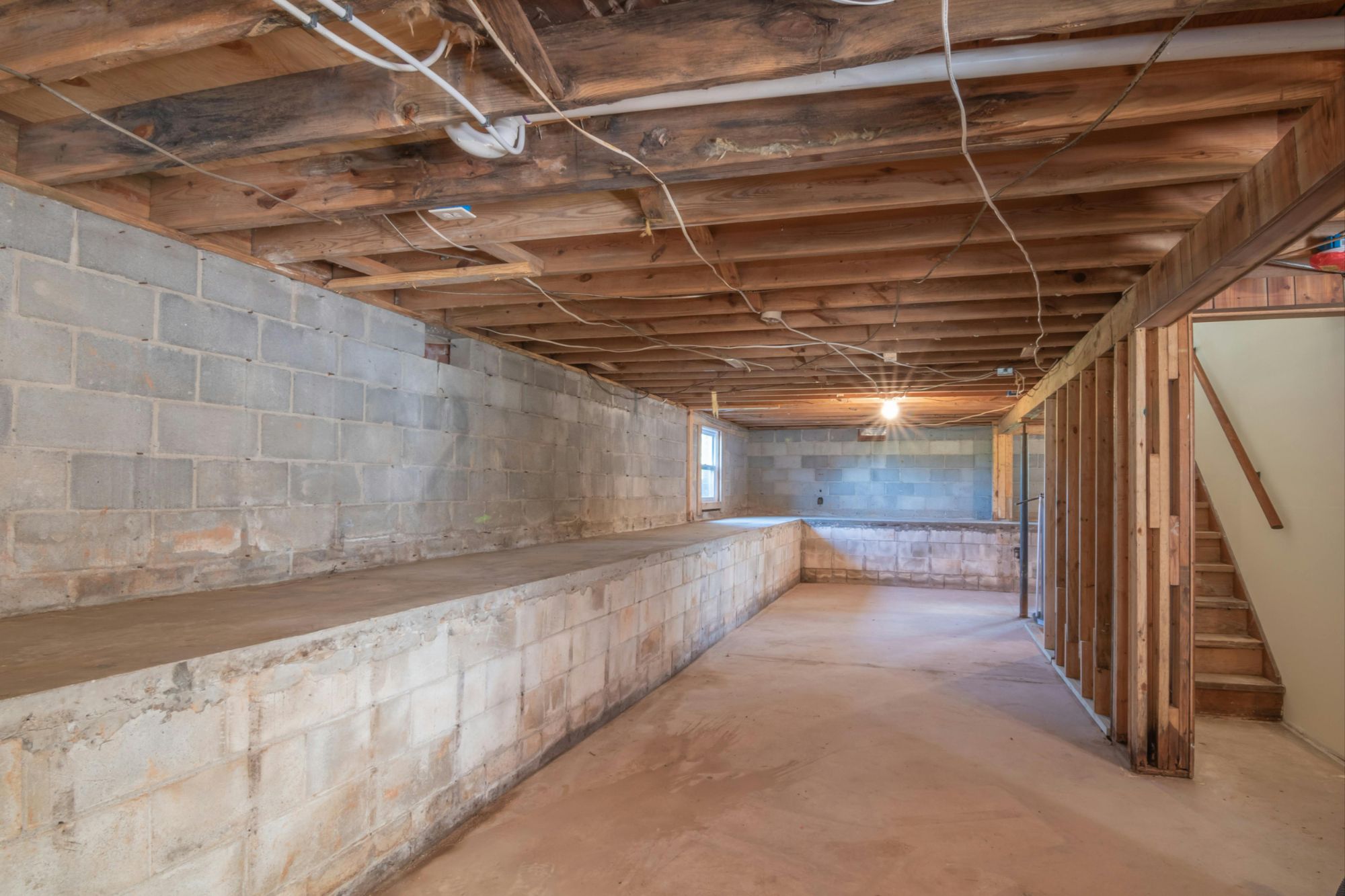
What does a professional home inspection tell you that a walkthrough won't?
A walkthrough tells you what's visible. An inspection tells you what's actually happening. A licensed home inspector will probe suspect areas with a moisture meter, access crawl spaces fully, and evaluate the roof, gutters, attic insulation, and HVAC system in ways that aren't possible during a tour. In Portland specifically, I always recommend buyers get a full inspection — not just because it's standard practice, but because the climate here creates conditions that reward thoroughness. An inspector who works regularly in the Portland market will know what's typical wear for a house of a given age and what rises to the level of concern.
If the inspection surfaces significant water intrusion, like an actively wet crawl space, evidence of ongoing roof leaks, or widespread mold growth, you have options: negotiate repairs, ask for a price reduction to cover remediation, or walk away.
When the damage is isolated and the source is clearly addressed, most water issues are fixable. French drains, crawl space encapsulation, new gutters, and targeted roof repairs are all routine work in Portland. The situation that warrants walking away is when the source of the intrusion hasn't been identified or resolved, when mold has spread into structural framing or HVAC systems, or when a seller can't provide documentation of what was done and when.The buyers who come out ahead are the ones who know what questions to ask before they're under contract.
Ready to tour a Portland home?
If you're planning a home search in Portland and want to know what you're looking at when you walk through a property, I'm happy to walk you through it. Reach out to me here or browse current Portland listings to start getting a feel for what's out there.
Categories
- All Blogs (158)
- Divorce (5)
- Downsizing (6)
- Eco-Friendly Living (4)
- Explore Oregon (40)
- Food (1)
- Home Buying (96)
- Home Maintenance (26)
- Home Selling (55)
- Home Styling & Staging (2)
- Join REAL (11)
- LGBTQIA+ (11)
- My Life (4)
- Neighborhoods (23)
- PNW Gardening (10)
- Real Estate History (14)
- Relocation (43)
- Veteran Loans (1)
Recent Posts










LET'S CHAT