
Your May Garden in Zone 8B: It's Not Too Late to Start
The rain is starting to ease up, the soil is finally warming, and if you've been watching your garden beds with a mix of guilt and excitement, this is your sign. Whether you haven't touched the garden since last fall or you're starting fresh for the very first time, early May in the Pacific Northwest's Zone 8B is one of the best times to begin.
You haven't missed the window. The window is wide open.
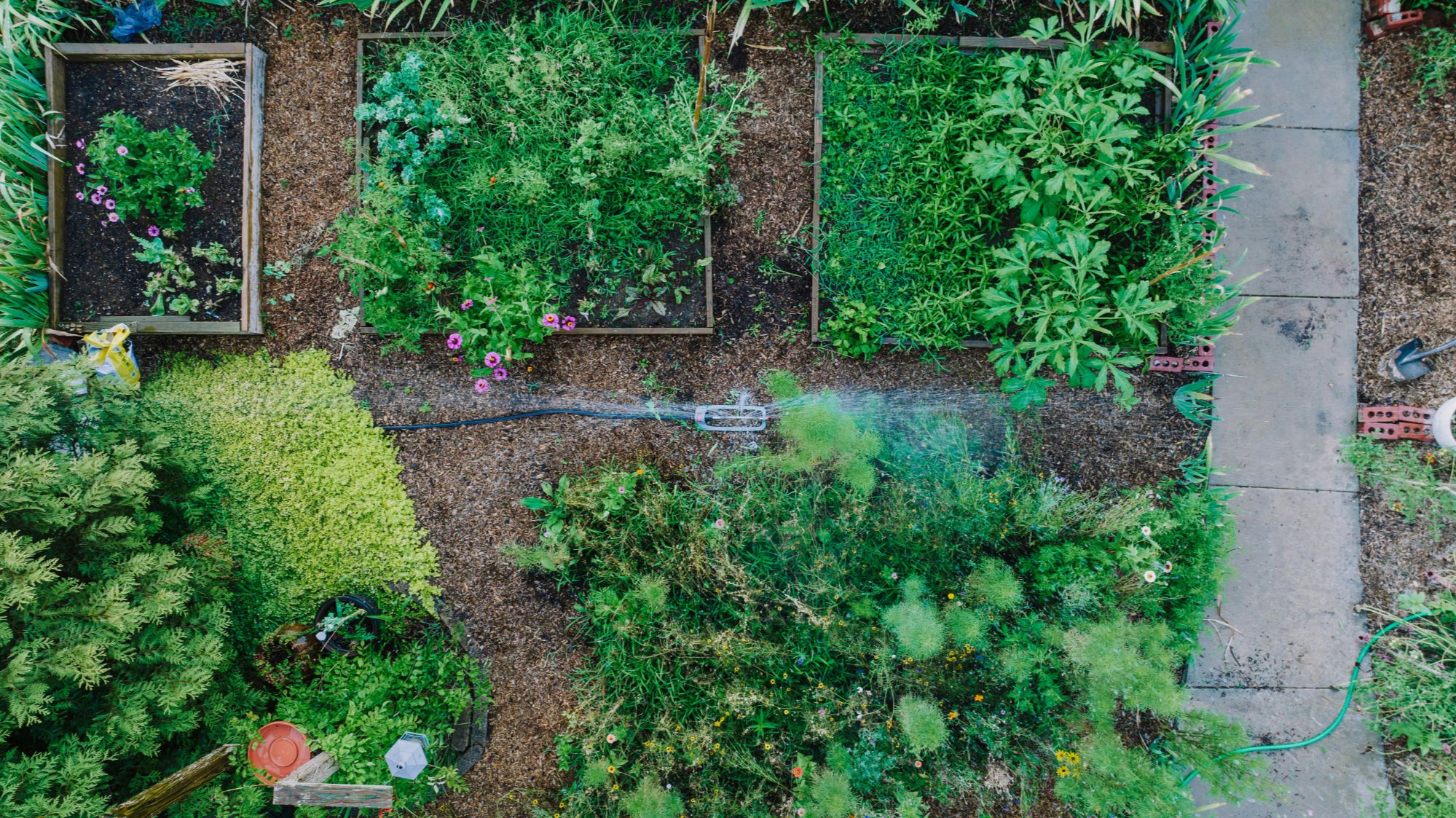
The Ground Is Ready — Are You?
One of the most common things I hear is "I should have started my garden sooner!" And while yes, starting seeds in February under grow lights is wonderful, it's not the only way to have a thriving garden.
In 8B, our mild springs mean you can direct sow many crops right now and still have a full, productive season. By early May, soil temperatures in our zone are typically hovering around 50–60°F, which is perfect for cool-season crops that are still going strong, and warm enough that we're right on the edge of getting warm-season favorites in the ground too.
Before you do anything else, go outside and squeeze a handful of soil.
- If it crumbles rather than clumping into a wet ball, it's ready to work.
- If it sticks together and oozes, give it a few more days.
Working wet clay soil destroys its structure, so patience here pays off all season long.
Compost in Place: Let the Earth Do the Work
If your beds are a mess of last year's dead plants, weeds, and general chaos, don't panic, and don't haul it all away. Chop it, stomp it down, and leave it. Better yet, layer it. This is the beginning of composting in place, sometimes called sheet composting, and it's one of the laziest, most effective things you can do for your soil.
Pull any large woody stalks and set those aside for a proper compost pile. Everything else — old leaves, soft plant matter, spent vegetable tops — can be chopped and dropped directly onto the bed. Cover with an inch or two of finished compost or aged manure, and your soil biology will get to work breaking it all down while your new plants establish.
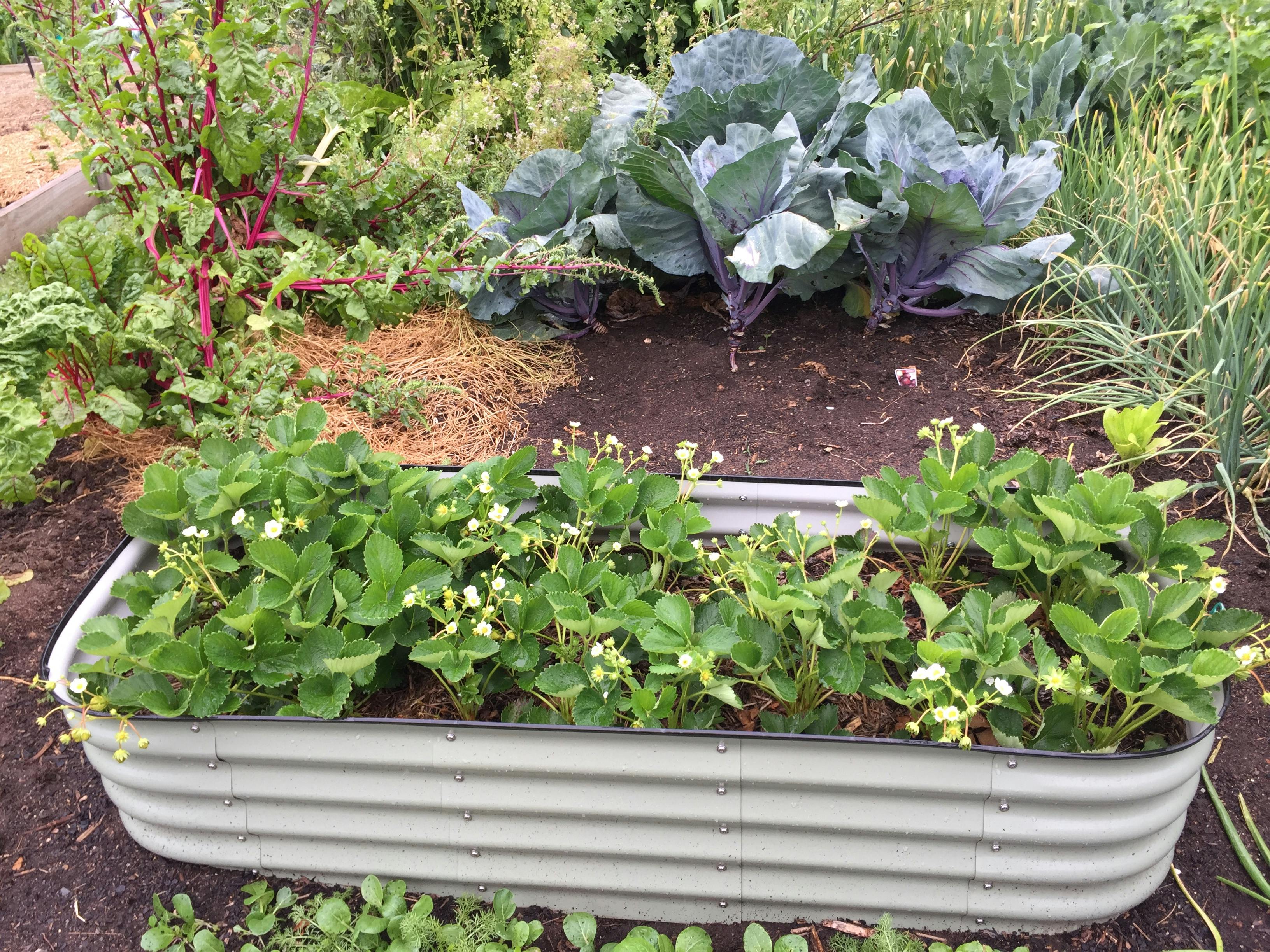
Lasagna Gardening: Build a New Bed From Scratch
If you're starting with grass, compacted soil, or a completely bare patch, lasagna gardening (also called no-dig or sheet mulching) is your best friend. No tilling, no sod removal, no breaking your back.
Here's how to do lasagna gardening:
- Lay cardboard directly over the area you want to convert — overlapping the edges by at least six inches to smother grass and weeds.
- Wet it down thoroughly.
- Then start layering organic materials on top: alternating "green" layers (grass clippings, kitchen scraps, fresh plant matter) with "brown" layers (straw, dried leaves, shredded paper).
- Aim for a finished depth of at least 8–12 inches.
- Top with a few inches of good compost or garden soil, and you can plant directly into it right now.
- By fall, the layers below will have broken down into rich, loose soil, and your earthworm population will have multiplied dramatically.
This method is especially forgiving in our wet PNW climate, where the moisture does much of the decomposition work for you.
What to Plant Right Now in Zone 8B
Early May is prime time for a wonderful variety of crops, and unlike earlier in the spring, we now have the flexibility to start thinking about warm-season plants alongside our cool-season staples.
Direct sow now:
Lettuce, spinach, arugula, kale, chard, beets, carrots, radishes, peas, cilantro, dill, and parsley are all still great to go in the ground. Peas especially want to get in now before the heat arrives.
Transplant seedlings:
Broccoli, cauliflower, cabbage, and kale starts can all go in now. Early May is also the sweet spot for hardening off your tomatoes, peppers, and squash — set them outside for a few hours each day this week, increasing their exposure gradually. By mid-May, once nighttime temps are consistently staying above 50°F, they'll be ready to transplant into the garden.
Warm-season crops:
Beans and squash can be direct sown in early May in 8B. Cucumbers can go in toward the end of the month as the soil continues to warm.
Herbs:
Chives, oregano, thyme, mint, and lemon balm are thriving right now and happy to go in the ground. Basil can finally start going out in early May — just keep an eye on nighttime temps and cover it if a cold snap threatens. It's still a little risky before mid-May, but the window is opening.
Perennials and flowers:
Strawberries, if you haven't planted them, should go in immediately. Native wildflower mixes, hardy annuals like bachelor's button, poppies, and calendula are all excellent to sow now. Dahlias can go in the ground in May once the soil has warmed — they'll reward you all summer.
Planting by the Moon: Honoring the Cycles of Nature
For those of us who walk a more earth-centered path, gardening isn't just about soil science — it's about relationship. The moon has governed the tides, the bodies of water, and the moisture within soil and plants for as long as there has been a moon. Planting by lunar cycles is an ancient practice that many PNW gardeners swear by, and there's a beautiful logic to it whether you approach it as practical wisdom or spiritual practice.
The Basics of Planting by the Moon
During the waxing moon (new moon to full moon), plant crops that grow above ground — leafy greens, fruits, flowers. The increasing light and gravitational pull are said to draw water upward through the soil, supporting leaf and stem development.
During the waning moon (full moon to new moon), focus on root crops, bulbs, and transplanting — energy is moving downward. The dark moon and full moon themselves are considered rest days, good for harvesting, weeding, and tending rather than planting.
May is a particularly magical time to begin this practice. The earth is visibly alive and in motion — seeds are sprouting, bees are waking, and the days are stretching longer with each passing week. Look up where we are in the lunar cycle and let it guide when you get your hands in the dirt. Even if you're skeptical, it's a meaningful way to slow down, pay attention, and remember that we are not separate from the rhythms of this earth — we are part of them.
Your garden is waiting and the soil is ready. Go play in the dirt!
Categories
- All Blogs (158)
- Divorce (5)
- Downsizing (6)
- Eco-Friendly Living (4)
- Explore Oregon (40)
- Food (1)
- Home Buying (96)
- Home Maintenance (26)
- Home Selling (55)
- Home Styling & Staging (2)
- Join REAL (11)
- LGBTQIA+ (11)
- My Life (4)
- Neighborhoods (23)
- PNW Gardening (10)
- Real Estate History (14)
- Relocation (43)
- Veteran Loans (1)
Recent Posts








LET'S CHAT