
Living in Beaverton, Oregon: The Honest Pros and Cons of Living Here
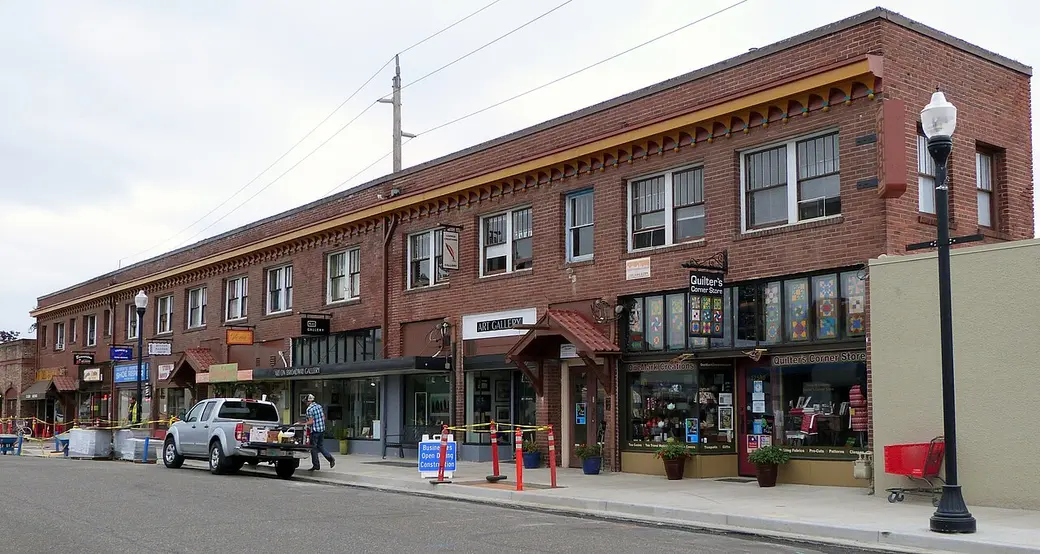
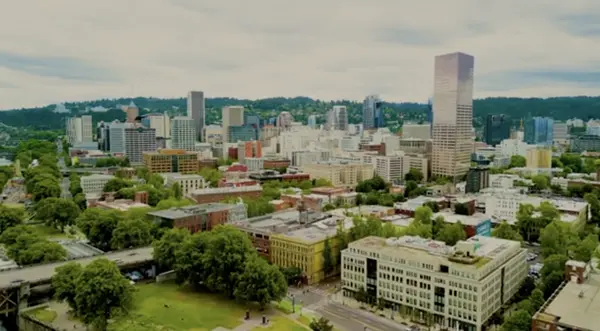
Looking for the pros and cons of living in Beaverton, Oregon? Beaverton offers genuine advantages that include a strong job market anchored by Nike and Intel, exceptional parks through the Tualatin Hills district, and a food scene that rivals inner Portland. The tradeoffs are real too: Highway 217 traffic, narrowing affordability against Portland, and a car-dependent suburban layout. It works best for households prioritizing work access and outdoor life over walkable urban character.
Deciding where to buy a home deserves the full picture, not just the highlights. So here's the honest breakdown: what Beaverton does well, where it falls short, and who it actually fits.
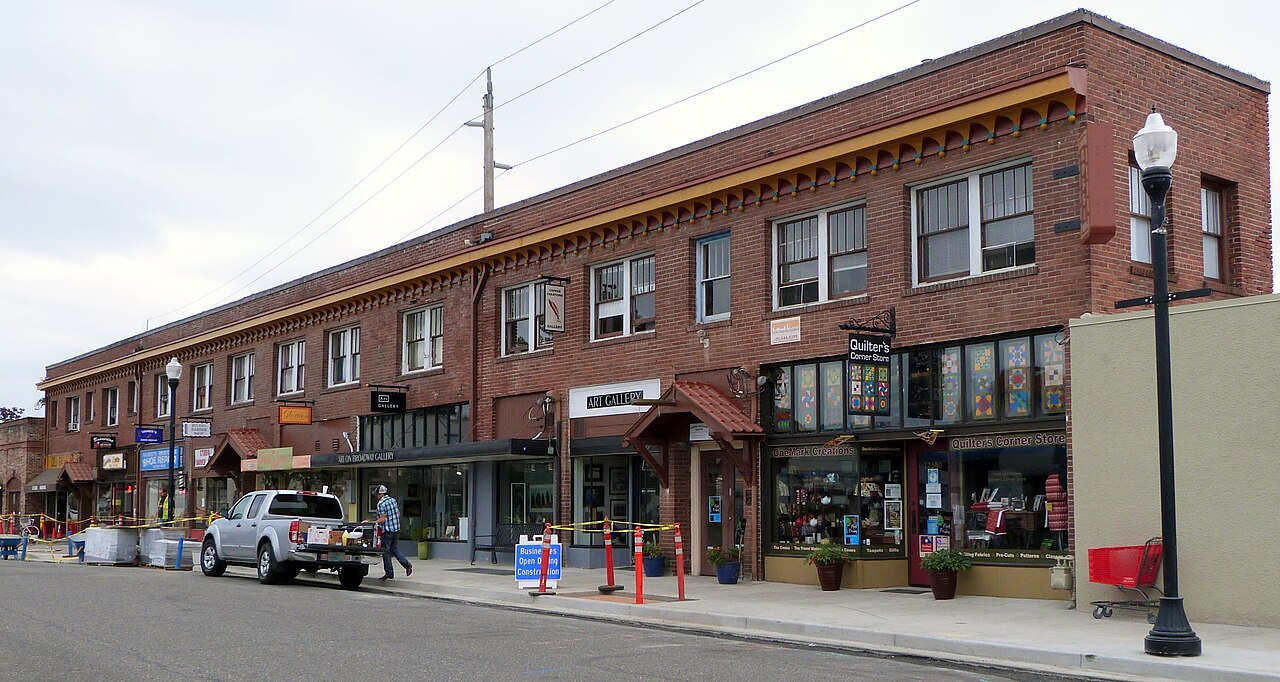
Is Beaverton a good place to work and find a job?
Beaverton sits at the center of Oregon's Silicon Forest, with Nike's world headquarters in the city itself and Intel's campuses just west in Hillsboro. The job market across this corridor is one of the most concentrated in the Pacific Northwest.
If you're moving to the Portland area for work, Beaverton's location is a serious advantage. Beyond Nike and Intel, you've got Tektronix, Adidas's North American offices, and a dense cluster of tech companies filling in the rest of the map. Living here puts you at the center of that without having to fight a long commute in either direction.
Even if you're not in tech or athletic wear, proximity to a strong regional employer base matters. It supports the local economy, keeps the housing market stable, and gives the city the tax base to fund parks, infrastructure, and schools at a level that a lot of similarly sized cities can't match.
Related article: Best Places to Live near Intel in Hillsboro, Oregon
How is outdoor access in Beaverton, OR?
Outdoor access in Beaverton is unusually strong for a suburb. The Tualatin Hills Park and Recreation District operates more than 95 parks, 68 miles of trails, and more than 1,500 acres of natural area within the city and surrounding region.
Tualatin Hills Nature Park alone is 222 acres of old-growth forest, wetlands, and trails sitting inside a suburban city. Cooper Mountain Nature Park adds another 232 acres of oak woodland and grassland with views across the Tualatin Valley. You can be on a real trail in genuine forest within 15 minutes of most Beaverton neighborhoods.
The regional access extends the picture. The Oregon Coast is about 90 minutes west. Mount Hood is about 90 minutes east. The Columbia River Gorge is roughly the same. If outdoor life factors into why you're considering Oregon at all, Beaverton positions you well for it.
What's the food and cultural scene like in Beaverton?
Beaverton is one of the most culturally diverse cities in Oregon. About one in five residents was born outside the United States, and that diversity drives one of the strongest international food scenes in the metro. The Patricia Reser Center for the Arts, which opened in 2022, has become a serious cultural anchor downtown.
This is the part that surprises people who haven't visited Beaverton recently. The Murray Hill corridor is one of the best stretches of eating in the entire Portland metro, not just the suburbs. Uwajimaya, 99 Ranch Market, and a dense concentration of Korean, Vietnamese, Japanese, Burmese, and Chinese restaurants make it a genuine destination.
The Patricia Reser Center for the Arts is a 550-seat performing arts venue that has drawn well over 70,000 visitors since opening, with programming designed to reflect the city's international character. Ballet, jazz, world music, visual art exhibits; it's become an anchor for a downtown that's still growing into itself.
The Beaverton Night Market draws tens of thousands of visitors every summer. If you'd written Beaverton off as a cultural dead zone, that picture has changed.
Does Beaverton, OR have good public transit?
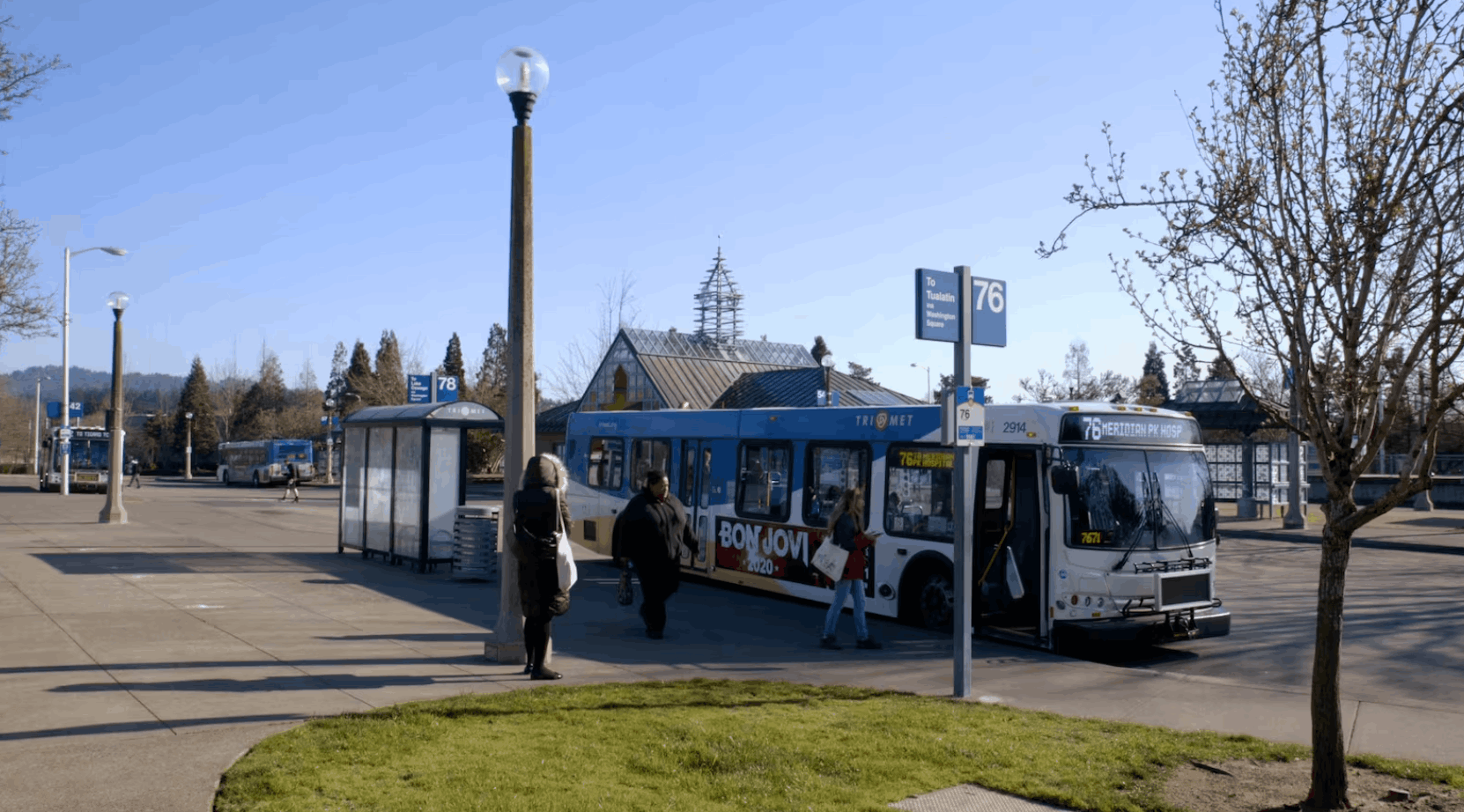
Beaverton has stronger transit access than most suburbs its size. The MAX Blue Line runs through the heart of the city and connects to downtown Portland in about 30 minutes, and the Beaverton Transit Center is one of the busiest hubs in the TriMet system.
For practical purposes, this means you can get to a Timbers game, a concert downtown, or dinner in the Pearl District without driving in or paying for parking. For a suburb, that's meaningful. It also makes Beaverton a reasonable option for households with one car or for people who want a commute into Portland without dealing with I-5 or Highway 26.
That said, transit primarily serves trips into Portland or out to Hillsboro. Most day-to-day errands within Beaverton still require a car.
How bad is traffic on Highway 217?
Highway 217 traffic through Beaverton is a real problem during peak hours, roughly 6 to 9 AM and 3 to 7 PM on weekdays. ODOT completed an auxiliary lanes project in late 2025 that helped, but the highway still carries around 120,000 vehicles a day across a relatively short stretch.
If your commute runs across Highway 217, budget more time than the map suggests. The corridor connects to Highway 26 and I-5, and it backs up reliably on weekdays.
The broader reality is that Beaverton is a car-dependent city. The MAX handles trips into Portland or Hillsboro well, but cross-town errands within Beaverton mostly require driving. That's the suburban tradeoff, and it's worth being honest about.
Is Beaverton more affordable than Portland?
Beaverton is still more affordable than inner Portland, but the gap has narrowed considerably. Home prices and rent in Beaverton's more desirable areas are now comparable to parts of Portland, and the city's old reputation as a clear-cut budget alternative no longer fully holds.
It's still meaningfully cheaper than inner Portland neighborhoods and significantly more affordable than comparable suburbs in Seattle or the Bay Area. But if you're arriving from a lower-cost market expecting a deal, prepare for some sticker shock. Beaverton is a desirable place to live, and the prices reflect that. Before pulling the trigger on a budget, verify current market figures against active MLS data — pricing in this corridor moves.
Is Beaverton walkable, or is it mostly suburban sprawl?
Beaverton is primarily a suburban city built around the car, with about 20 square miles of strip malls, arterial roads, and large-format retail. The downtown area around The Round and the Patricia Reser Center has medium-sized-city energy and is actively improving, but most of Beaverton is not walkable in the way an inner Portland neighborhood is.
If you're coming from a city with a dense pedestrian core, Beaverton's layout will require adjustment. You can find walkable pockets — older neighborhoods near downtown, some pockets near MAX stations — but they're more competitive and harder to come by. Most of the city is built around the assumption that you'll drive.
This isn't a flaw so much as a fact about what Beaverton is. It's a suburb. Going in with that expectation makes the rest of the decision easier.
What's the weather like in Beaverton?
Beaverton's weather follows the broader Portland metro pattern: a long gray season from roughly October through May, with frequent rain and limited sunshine, followed by genuinely beautiful summers. It doesn't snow much and doesn't get brutally cold, but the overcast stretch is long.
This is the variable most worth researching honestly before you commit to a Pacific Northwest move. Seasonal Affective Disorder is something we talk about openly out here. Some people adapt quickly, some never fully do. If you haven't spent extended time in this climate, a winter visit is worth more than any blog post on the subject.
Who is Beaverton actually a good fit for?
Beaverton works well for households drawn here by work, who value strong schools, want outdoor access without being far from a city, and are comfortable with a suburban footprint. It's a poor fit for people who specifically want dense urban character, a strong walkable downtown, or a budget-tier price point.
For the right household, Beaverton checks a lot of boxes; and the cultural and culinary improvements over the last decade are real, not just hype. For the wrong household, no amount of new parks or arts centers changes the fundamental layout of the city.
The smartest move I can recommend is to spend a day or two actually driving around Beaverton before you decide. The neighborhoods aren't uniform, and where you land within the city matters as much as the city itself.
If you want help thinking through which part of Beaverton (or whether a neighboring area might be a better fit for what you're after) reach out. I work with buyers across this whole part of Washington County and I'm happy to talk it through before you start touring homes.
Categories
- All Blogs (158)
- Divorce (5)
- Downsizing (6)
- Eco-Friendly Living (4)
- Explore Oregon (40)
- Food (1)
- Home Buying (96)
- Home Maintenance (26)
- Home Selling (55)
- Home Styling & Staging (2)
- Join REAL (11)
- LGBTQIA+ (11)
- My Life (4)
- Neighborhoods (23)
- PNW Gardening (10)
- Real Estate History (14)
- Relocation (43)
- Veteran Loans (1)
Recent Posts








LET'S CHAT