
The Downsides of Moving to Oregon Wine Country (and Who It's Still Right For)
Oregon wine country, anchored by Yamhill County towns like Newberg, McMinnville, Dundee, and Carlton, is one of the most desirable places to live in the Willamette Valley. But moving here full-time is a different decision than visiting. Before you commit, weigh the car-dependent layout of rural areas, the realities of well and septic ownership, the harvest-season tourism, the cost of vineyard-adjacent acreage, and the gap between small-town life and big-city convenience.
Is Oregon Wine Country too rural?
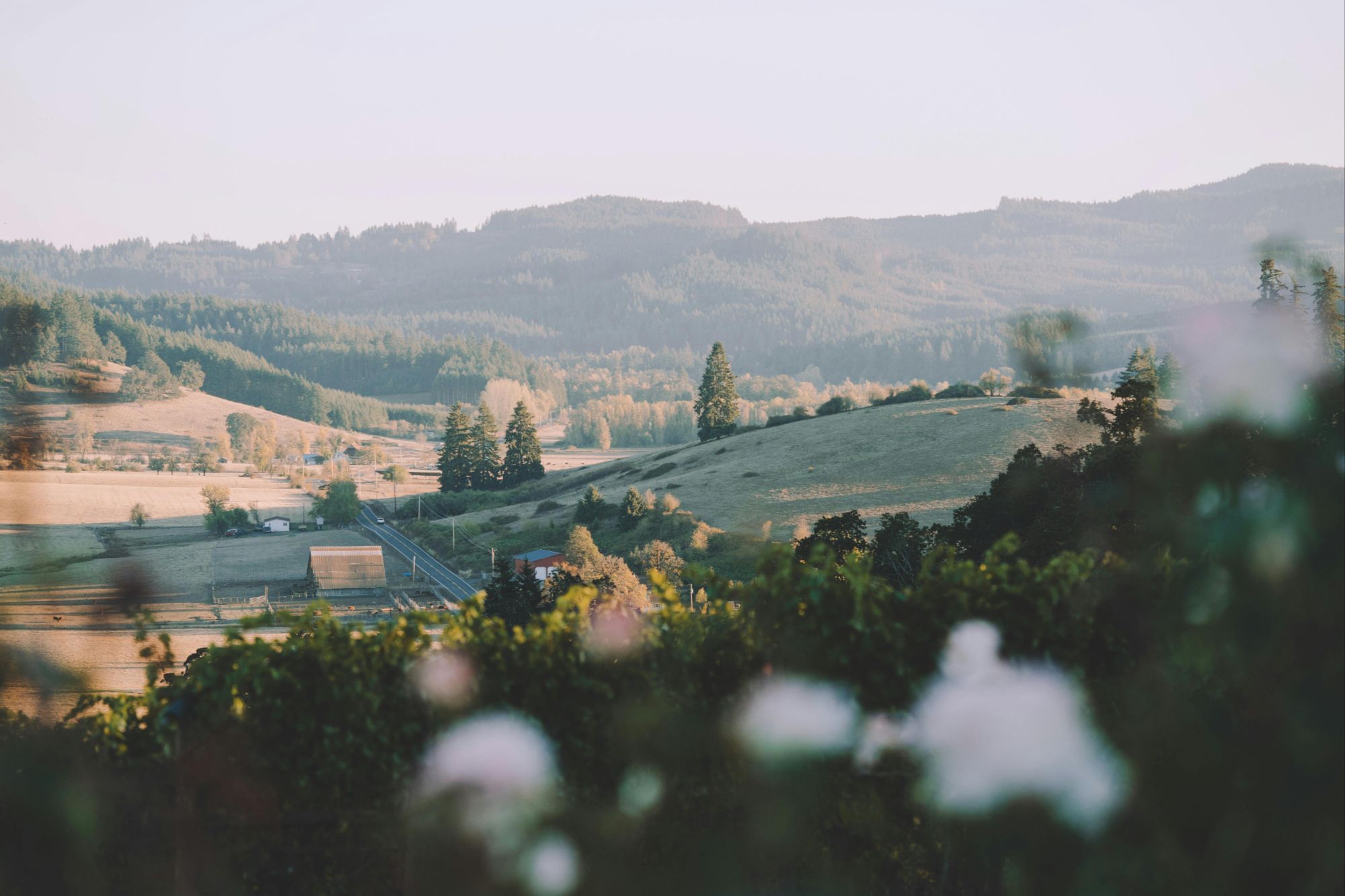
Daily life in Yamhill County depends heavily on where in wine country you land. McMinnville and Newberg have walkable downtown cores and surrounding suburban neighborhoods, while properties out among the vineyards near Carlton, Dundee, or Yamhill are very rural.
This is the most important thing to understand before you move here, because "Oregon wine country" is not one lifestyle. It is at least two.
McMinnville is the largest town in the area and the most walkable. Its downtown centers on Third Street, with restaurants, tasting rooms, parks, a bookstore, and the public library, and the city carries a high walk score, so you do not have to be car-dependent. Newberg has its own draw: a walkable downtown along First Street, tree-lined streets, and established residential neighborhoods framed by the Chehalem Mountains and Ribbon Ridge. Plenty of homes in both towns sit in ordinary suburban-feel neighborhoods with sidewalks and neighbors close by.
The rural picture is different. A home on acreage outside Carlton or in the Dundee Hills can mean real distance between you and the next house, and a drive for basic errands. Neither version is better. But if you picture all of wine country as quiet vineyard isolation, you should know that there are still a fair number of subdivisions, particularly in Newberg and McMinnville.
Do you need a car to live in Oregon wine country?
In Yamhill County towns, you don't always need a car. But outside them, you do. Rural wine country has minimal public transit, so if you buy acreage, or anywhere outside of the city, you should plan on driving for work, errands, and appointments.
If you settle in central McMinnville or downtown Newberg, you can handle a lot of daily life on foot, and Yamhill County Transit runs bus routes through McMinnville.
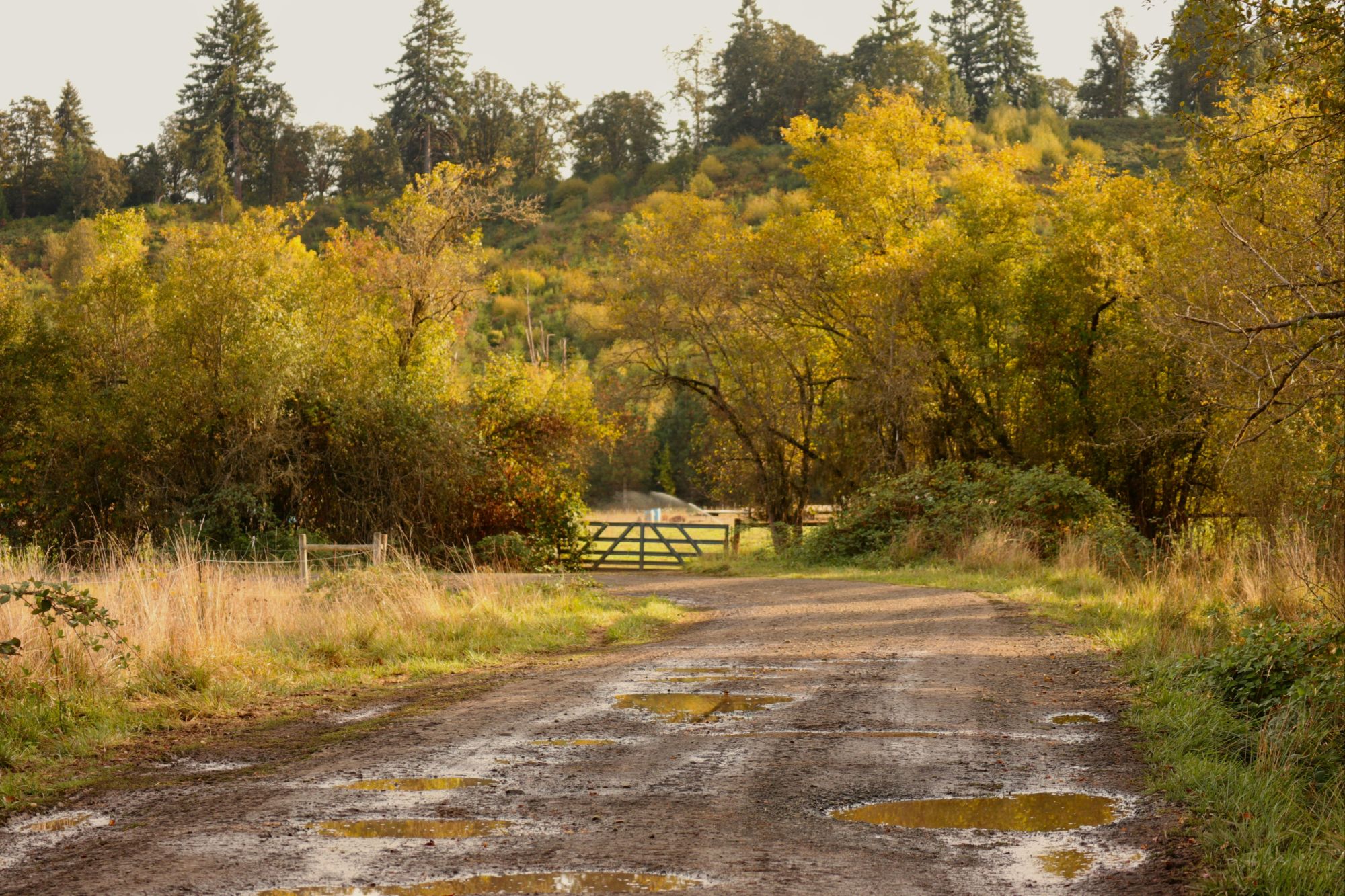
Step outside the town centers and the ease of getting around changes. The Willamette Valley is built around the car for everything between towns. And because many of these roads are rural, it's wise to build in extra time for slow farm vehicles, harvest traffic in late summer and early fall, and winter conditions that bring fog and slick surfaces. If you commute toward Portland or Salem from a rural parcel, be honest with yourself about that drive before you fall in love with a property at the end of a gravel road.
What are the hidden costs of a rural wine country home?
Many vineyard-adjacent properties run on private wells and septic systems instead of city utilities. That means you own the maintenance, the testing, and the repair costs when something fails.
A home inside McMinnville or Newberg connects to municipal water and sewer. But a home on acreage usually does not. You become responsible for the well, the pump, the septic field, and regular water testing. Plenty of people manage this without a second thought, but it's a real difference from city living.
This is where local guidance matters. When you tour a rural property, you want to know the well's flow rate, the age of the septic system, and whether the parcel has had water issues. Those are the questions I ask on your behalf, because the listing photos will not tell you at a glance what you're getting into.
Will the wine country tourist season wear on you?
Wine country draws steady crowds, and the busiest stretch is harvest. From September through October, traffic, tasting room visitors, and event activity pick up noticeably across the Dundee Hills, Ribbon Ridge, and Yamhill-Carlton areas.
Throughout September and October, harvest is in full swing across the Willamette Valley. It is a wonderful season to witness, and one of the reasons people fall in love with the area. It is also the season when the two-lane roads near the wineries carry the most visitors.
For most residents this is a seasonal rhythm, not a dealbreaker, and town neighborhoods feel it less than vineyard roads do. But if you are sensitive to traffic and crowds, know that the appeal which draws you here also draws everyone else, concentrated into a few months.
Is Oregon wine country too expensive to buy in?
Wine country carries a premium. Yamhill County home and land prices reflect the region's desirability, so buyers should expect rural or vineyard-adjacent property to cost more than comparable land elsewhere in Oregon.
Recent listing data put the median single-story home price in Yamhill County in the mid-$500,000s, with rural land listings in a similar range.
Acreage with a vineyard view, water rights, or proximity to the Dundee Hills carries a premium on top of that. The romance of wine country is priced in. If your single goal is the most house and land for your dollar, other parts of rural Oregon will stretch your budget further. If you want to be near the wineries specifically, that is part of the cost of admission.
Should I move to Yamhill County?
None of this means wine country is a bad place to live. For the right person, the landscape, the towns, and the pace are exactly the point. The goal is just to make sure you choose it with clear eyes, and that you choose the right part of it.
If you are weighing a move to Newberg, McMinnville, or anywhere in the Willamette Valley, I would love to talk through which towns and neighborhoods actually fit how you want to live. Reach out anytime, and we can sort through the trade-offs together before you commit to anything.
Categories
- All Blogs (158)
- Divorce (5)
- Downsizing (6)
- Eco-Friendly Living (4)
- Explore Oregon (40)
- Food (1)
- Home Buying (96)
- Home Maintenance (26)
- Home Selling (55)
- Home Styling & Staging (2)
- Join REAL (11)
- LGBTQIA+ (11)
- My Life (4)
- Neighborhoods (23)
- PNW Gardening (10)
- Real Estate History (14)
- Relocation (43)
- Veteran Loans (1)
Recent Posts


LET'S CHAT