
The Pearl District, Portland: From Rail Yards to Refined Urban Living
TL;DR:
The Pearl District is a former industrial and warehouse area in northwest Portland that transformed beginning in the 1980s into a dense, mixed-use urban neighborhood. Today it is known for loft conversions, modern condominiums, parks like Jamison Square and Tanner Springs, art galleries, restaurants, and strong walkability. Housing primarily consists of condos and attached properties, often with HOA dues, and prices generally reflect its central location and amenities.
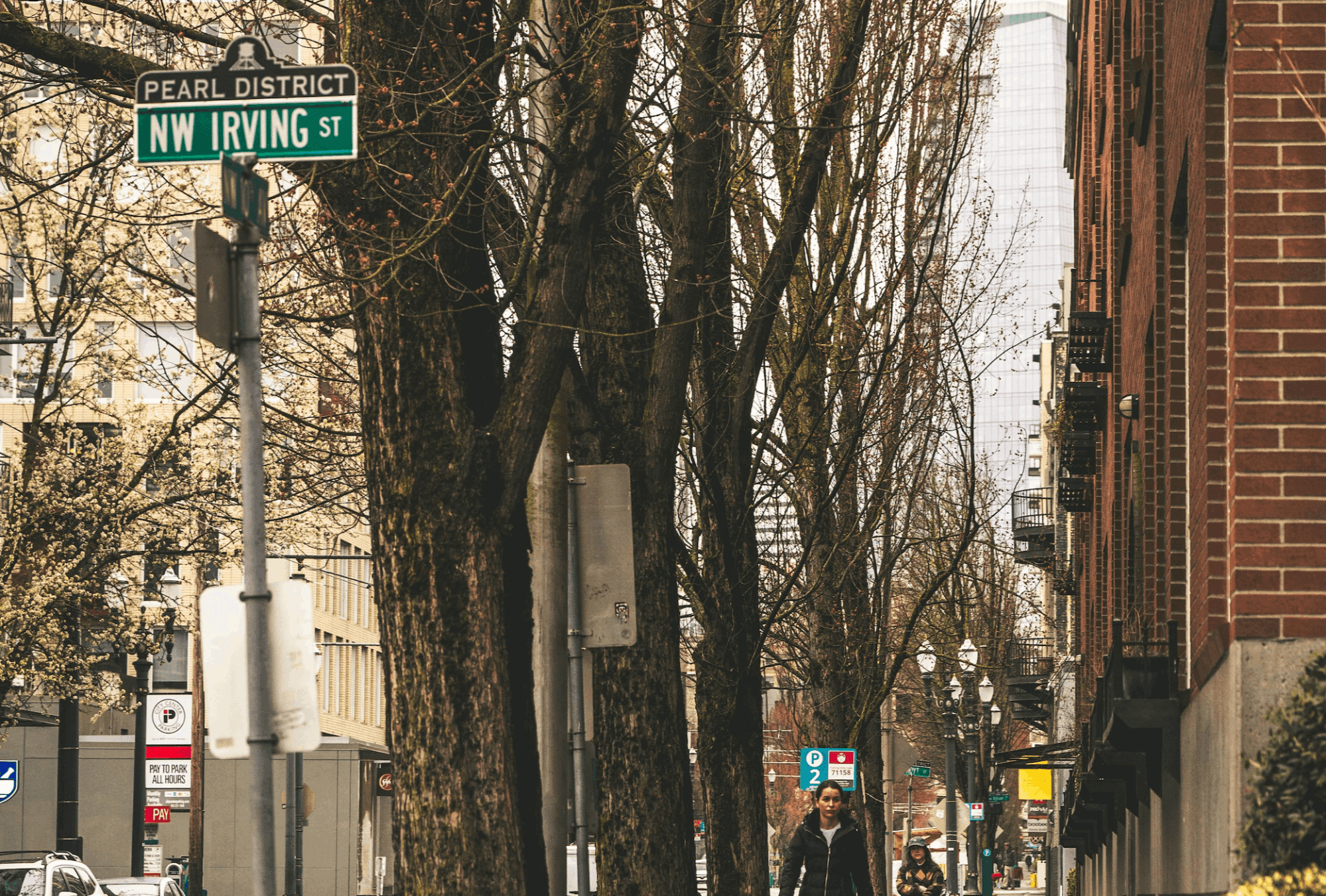
A Brief History of the Pearl District
The Pearl District occupies land that once served as rail yards, warehouses, and light industrial operations tied to Portland’s shipping and railroad economy. For much of the 20th century, the area north of downtown was defined by freight activity and storage facilities rather than residential life.
In the late 1970s and 1980s, as industrial uses declined and urban revitalization efforts gained momentum, city planners and developers began reimagining the district. Zoning changes encouraged mixed-use redevelopment, allowing former warehouses to be converted into residential lofts and commercial spaces. Artists and small galleries were among the early adopters of these industrial buildings, helping to establish the neighborhood’s creative identity.
Over the following decades, the Pearl District became one of Portland’s most visible examples of adaptive reuse and urban infill development.
What the Pearl District Is Like Today
Today, the Pearl District is known for:
-
High walkability and a grid of tree-lined streets
-
A mix of mid-rise and high-rise residential buildings
-
Street-level retail, restaurants, and cafes
-
Public parks integrated into dense development
Notable public spaces include Jamison Square, known for its interactive fountain; Tanner Springs Park, designed with ecological restoration in mind; and The Fields Park. These green spaces were intentionally incorporated into redevelopment plans to balance density with open areas.
The neighborhood also benefits from access to Portland Streetcar lines, MAX light rail stations nearby, and proximity to downtown Portland and the Willamette River waterfront.
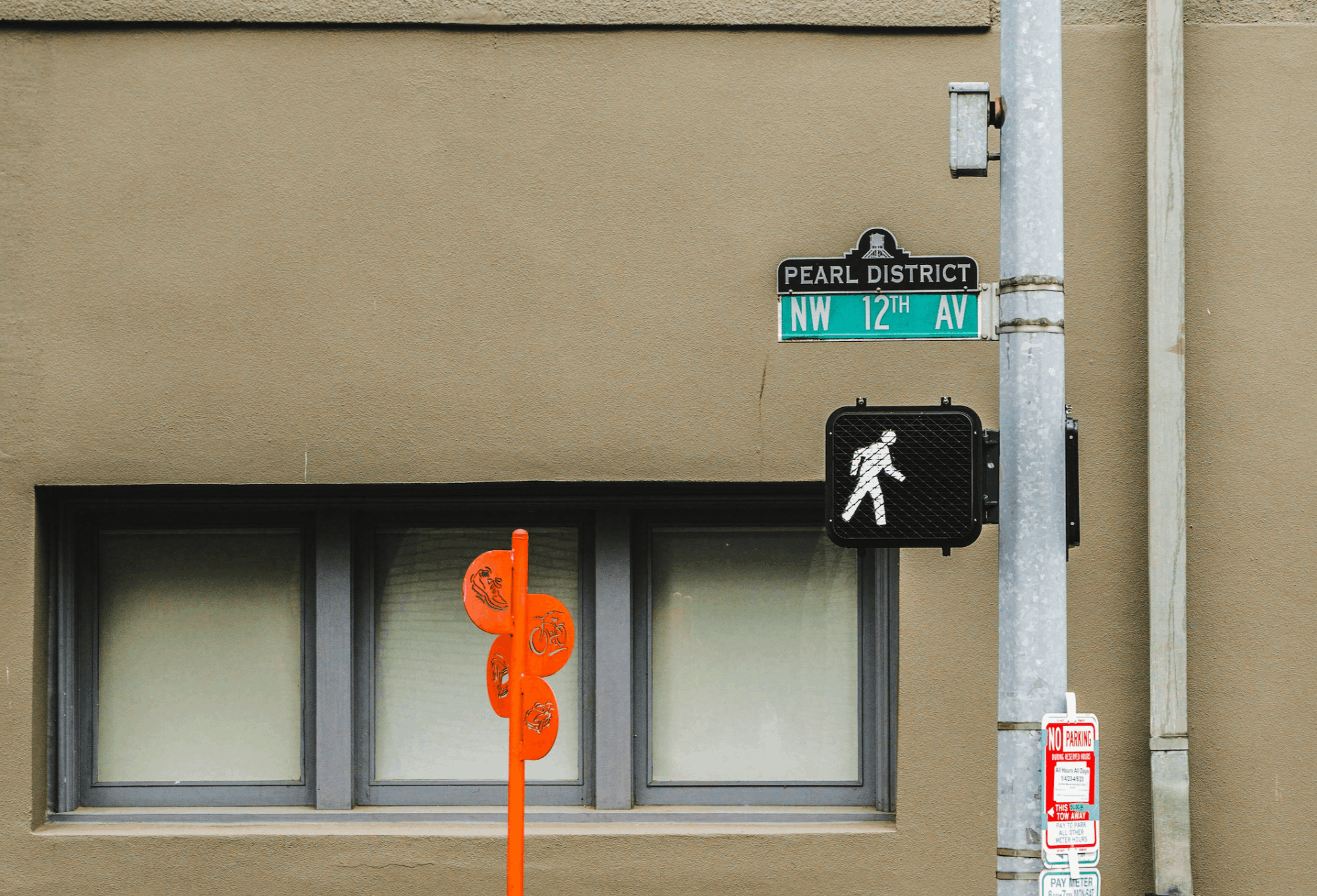
Housing Styles in the Pearl District
Housing in the Pearl District differs from many other Portland neighborhoods because it is dominated by:
-
Converted warehouse lofts with exposed brick, timber beams, and open floor plans
-
Contemporary condominium buildings with secured entries and shared amenities
-
Townhomes and live-work units in mixed-use buildings
Detached single-family homes are rare. Buyers in the Pearl typically consider condominium ownership, which often includes homeowners association (HOA) dues covering building maintenance, shared amenities, and exterior upkeep.
Because of its central location and newer construction relative to other parts of Portland, property values in the Pearl tend to be higher per square foot than in many neighborhoods farther from the city core. Pricing varies widely depending on building age, amenities, square footage, and views.
What People Appreciate About the Pearl District
Commonly cited advantages include:
-
Walkability to dining, shopping, and cultural events
-
Access to transit and downtown employment centers
-
A vibrant arts presence, including monthly gallery events
-
Urban design that prioritizes sidewalks, street trees, and public gathering spaces
For those seeking a low-maintenance lifestyle in a dense urban setting, the Pearl offers a clear alternative to traditional single-family neighborhoods.
Considerations for Buyers
As with any urban neighborhood, there are trade-offs. Prospective buyers often evaluate:
-
HOA dues and building financial health
-
Limited private outdoor space compared to detached homes
-
Urban density and associated noise levels
-
Parking availability and costs
The Pearl District remains one of Portland’s most studied examples of urban redevelopment, offering a distinct living experience centered around density, design, and walkability.
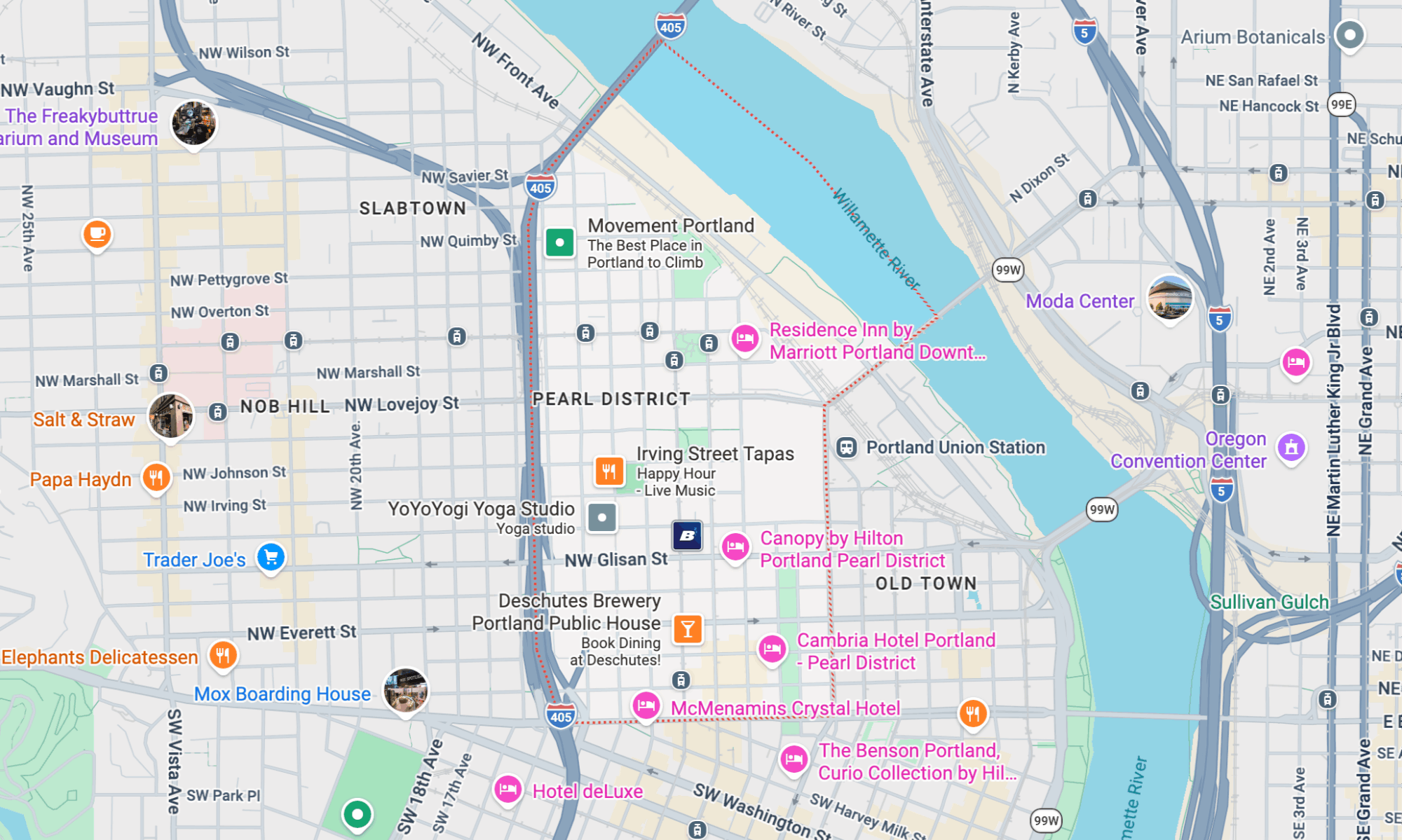
Categories
- All Blogs (158)
- Divorce (5)
- Downsizing (6)
- Eco-Friendly Living (4)
- Explore Oregon (40)
- Food (1)
- Home Buying (96)
- Home Maintenance (26)
- Home Selling (55)
- Home Styling & Staging (2)
- Join REAL (11)
- LGBTQIA+ (11)
- My Life (4)
- Neighborhoods (23)
- PNW Gardening (10)
- Real Estate History (14)
- Relocation (43)
- Veteran Loans (1)
Recent Posts






LET'S CHAT