
Portland’s Vanished Neighborhoods: How Urban Renewal Reshaped the Housing Landscape
Land Acknowledgement & Context:
This piece is written with respect for the Indigenous peoples whose lands form the foundation of Portland and the Willamette Valley, including the Multnomah, Clackamas, Kalapuya, and Chinook peoples.
The following historical discussion is provided with a commitment to accuracy, fairness, and responsible storytelling. It is not intended to exclude or discourage any group—fair housing applies to all, and all people deserve accessible and equitable housing opportunities today.
A Story Many Residents Haven’t Heard
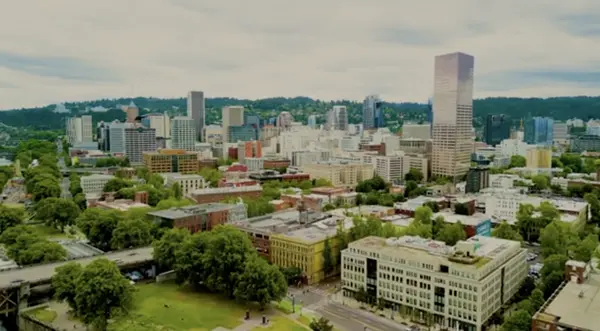
Portland’s skyline has changed dramatically over the decades, but the most profound transformations happened at the neighborhood level—where communities were displaced, reshaped, or erased altogether.
Three of the most significant vanished neighborhoods include:
-
Vanport
-
Albina (multiple sub-districts)
-
South Auditorium District
Each was changed by flooding, freeway construction, zoning decisions, or federally funded “renewal” projects.
1. Vanport: The City That Disappeared Overnight
Built in 1942 for shipyard workers, Vanport was once Oregon’s second-largest city.
It was also one of the few places where Black residents could live due to discriminatory housing practices of the time.
On Memorial Day 1948, a levy break flooded the entire city within hours, destroying homes and displacing more than 18,000 people.
The impact is still felt across Portland’s housing patterns and cultural landscape.
2. The Albina District: A Cultural Center Under Pressure
Albina became home to many displaced Vanport residents.
Through the mid-20th century, the neighborhood grew into a rich hub of Black culture, business, and community life.
Urban renewal projects beginning in the 1950s–70s—including the construction of I-5, hospital expansions, and Emanuel Hospital’s redevelopment zone—led to widespread displacement.
Many homes and businesses were demolished, reshaping the entire district.
3. South Auditorium: A Neighborhood Removed for “Progress”
Once known as a vibrant immigrant neighborhood (predominantly Jewish and Eastern European communities), South Auditorium was cleared almost entirely for urban renewal.
High-rise towers, plazas, and office buildings replaced hundreds of homes and local businesses.
Today, it’s hard to imagine the neighborhood as it once was.
Why This History Still Matters
These stories help explain:
-
Current housing patterns
-
Why certain neighborhoods look the way they do
-
Why conversations about zoning, affordability, and access remain so urgent
Understanding the past allows us to build more equitable housing solutions today.
Connecting Past and Present
As Oregon continues to update zoning laws, encourage density, and support more diverse housing types, the lessons from these vanished neighborhoods highlight the importance of:
-
Transparency
-
Community involvement
-
Fair access
-
Long-term planning
-
Respect for cultural history
Housing shapes identity, community, and opportunity—and history reminds us that the decisions we make today will last for generations. If you'd like to learn more, leave me a message or comment so I can elaborate on the history I've learned.
Categories
- All Blogs (158)
- Divorce (5)
- Downsizing (6)
- Eco-Friendly Living (4)
- Explore Oregon (40)
- Food (1)
- Home Buying (96)
- Home Maintenance (26)
- Home Selling (55)
- Home Styling & Staging (2)
- Join REAL (11)
- LGBTQIA+ (11)
- My Life (4)
- Neighborhoods (23)
- PNW Gardening (10)
- Real Estate History (14)
- Relocation (43)
- Veteran Loans (1)
Recent Posts






LET'S CHAT