
April Garden Prep in Zone 8b: What to Do Now for a Thriving Spring Garden
April is go-time in Zone 8b gardens. Soil is warming, daylight is stretching, and it’s the ideal window to plant, prep, and set your garden up for success. Focus on soil health, planting warm-season crops, staying ahead of weeds, and building systems (like irrigation and support structures) now—before everything takes off.
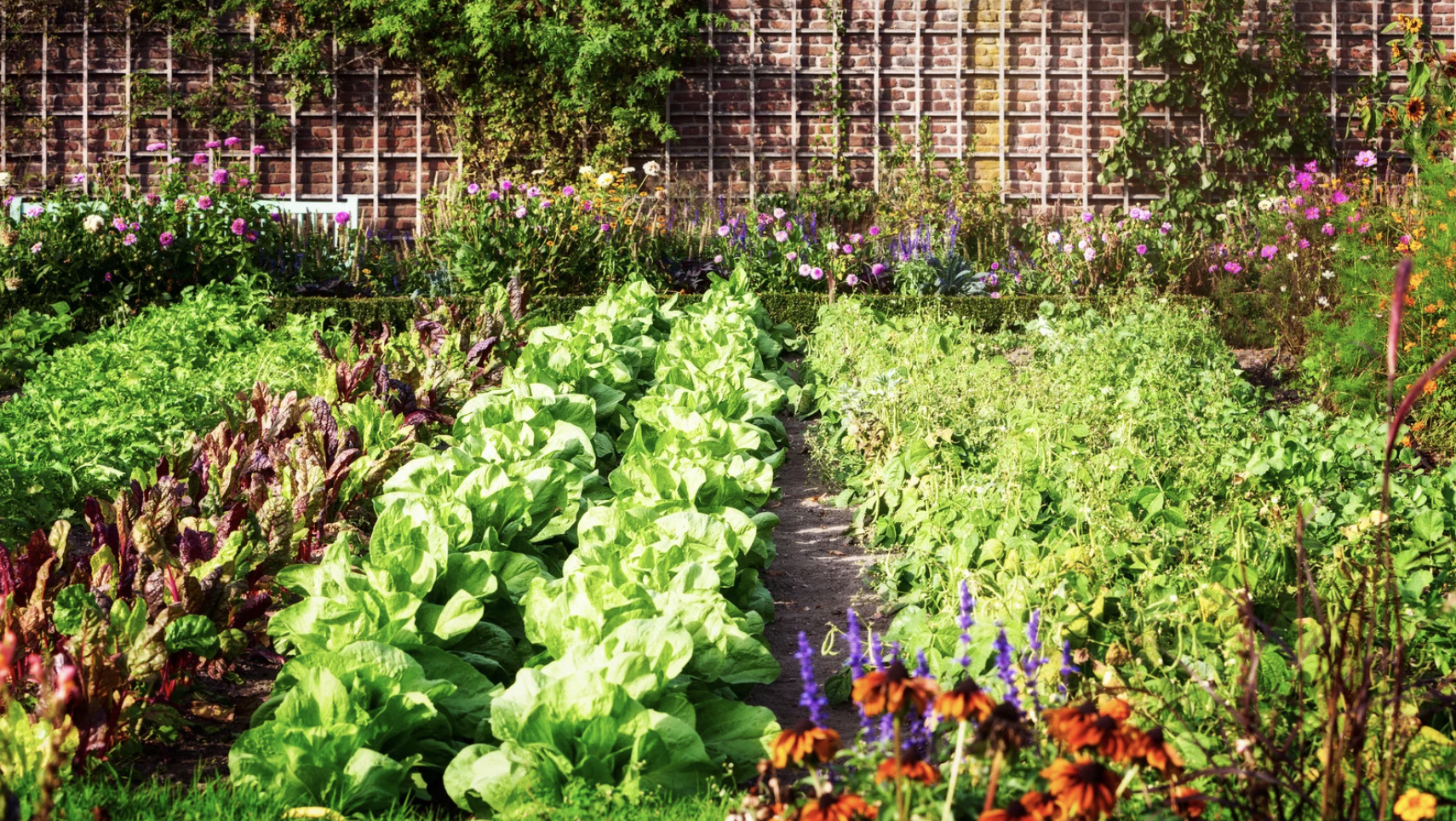
If you garden in Zone 8b (hello, Portland and much of the Pacific Northwest), April is one of the most important months of the entire growing season. This is the transition point where things shift from planning → doing.
The soil is finally workable, the risk of hard frost is fading (though not completely gone), and your garden is ready to wake up—fast. What you do this month sets the tone for everything that follows.
Let’s get into it.
What’s Happening in Zone 8b in April?
By April, soil temperatures are typically climbing into the 50s, which means roots can actually start growing instead of just sitting there. You’ll notice:
- Perennials pushing new growth
- Fruit trees flowering or setting early fruit
- Weeds… thriving (unfortunately)
- Longer, more consistent daylight
This is the sweet spot for getting things established before the heat (and summer drought conditions) arrive.
April Garden Prep Checklist (Zone 8b)
Here’s your practical, no-fluff list of what to focus on this month:
1. Prep and Feed Your Soil
Healthy soil = everything.
- Add compost or well-aged manure to garden beds
- Lightly loosen compacted soil (don’t over-till)
- Top off raised beds with fresh soil if needed
- Add organic fertilizer for heavy feeders (veggies, berries, etc.)
If you didn’t amend your soil in fall, this step matters even more now.
2. Direct Sow Cool-Season Crops
April is still prime time for cool-weather vegetables.
You can plant directly outdoors:
- Lettuce
- Spinach
- Arugula
- Carrots
- Beets
- Radishes
- Peas
These crops actually prefer the cooler temps and will struggle once summer heat hits—so don’t wait too long.
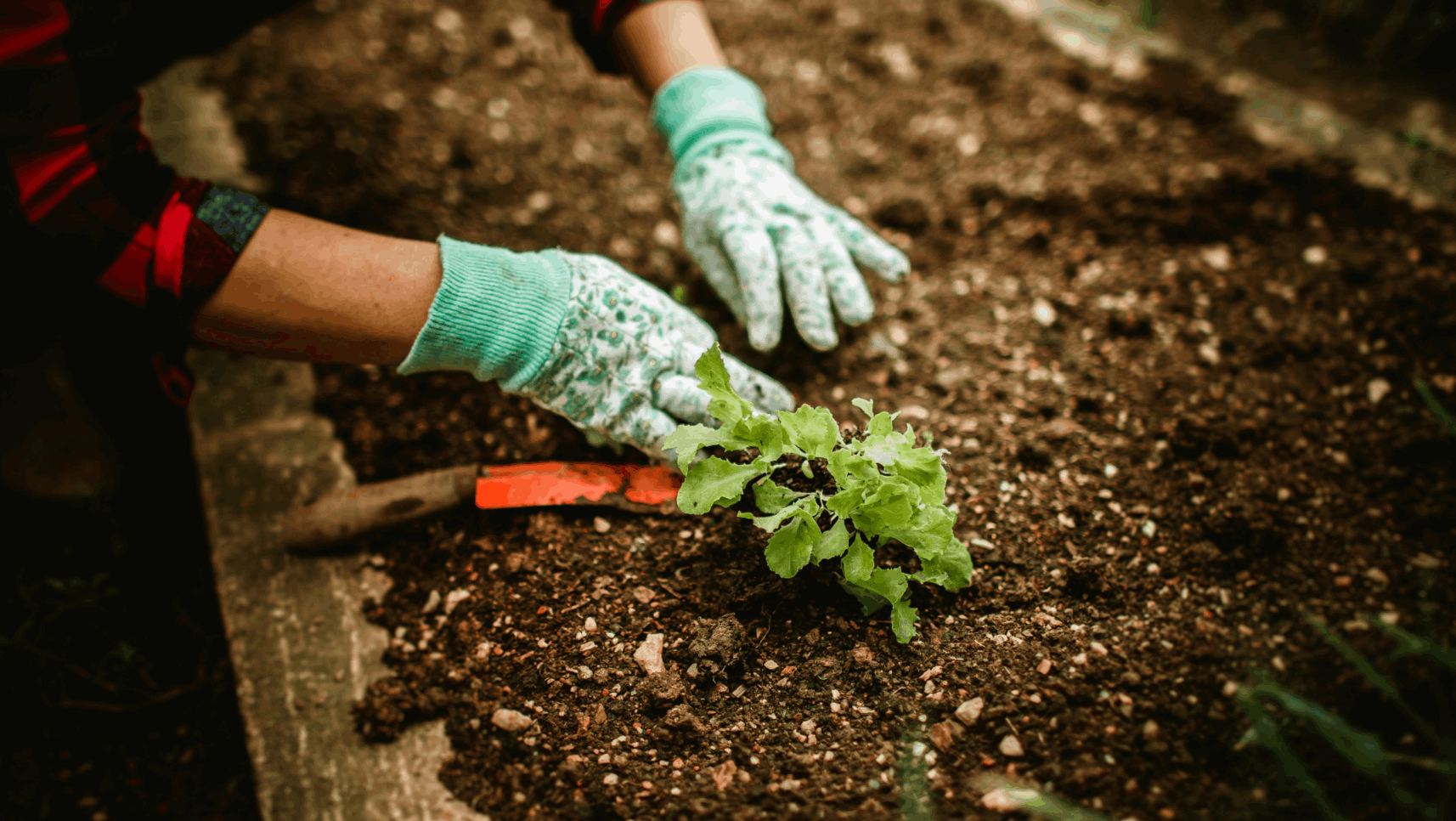
3. Start Planting Warm-Season Crops (Carefully)
This is where people jump the gun.
In Zone 8b, you can start transitioning into warm crops, but be strategic:
- Harden off seedlings (tomatoes, peppers, squash) before planting
- Wait until nighttime temps are consistently above ~50°F for more sensitive plants
- Use row covers or cloches if there’s a cold snap
You’re threading the needle here—not rushing, but not missing the window either.
4. Divide and Transplant Perennials
If you’ve got overcrowded plants, now’s your moment.
- Divide hostas, ornamental grasses, daylilies, etc.
- Transplant shrubs or perennials before summer stress hits
- Rework garden layout if something didn’t thrive last year
This gives plants time to establish before the heat kicks in.
5. Get Ahead of Weeds (Seriously)
April weeds are small. May weeds are a problem.
- Hand-pull weeds while soil is still moist
- Add mulch (2–3 inches) to suppress new growth
- Edge beds to create clean boundaries
This is one of those “pay now or pay later” situations.
6. Mulch Everything
Mulch is doing a lot of heavy lifting in a Zone 8b garden.
- Retains moisture ahead of dry summer months
- Regulates soil temperature
- Suppresses weeds
- Improves soil over time
Use bark, straw, leaf mold, or compost depending on your garden style.
7. Prune and Clean Up (With Intention)
By April, most heavy pruning should already be done—but there’s still cleanup to handle:
- Remove dead or damaged branches
- Cut back anything you intentionally left for winter interest
- Deadhead early bloomers if needed
Avoid heavy pruning on spring-flowering shrubs (like lilacs or rhododendrons) until after they bloom.
8. Check and Set Up Irrigation
It might still be rainy, but don’t let that fool you—dry season is coming.
- Check drip systems or hoses for leaks
- Set up irrigation timers if you use them
- Plan your watering zones based on plant needs
Getting this dialed now saves you a lot of scrambling in June.
9. Support Structures Go In Now
Do not wait until plants are huge.
- Install tomato cages or trellises
- Set up pea supports
- Plan vertical growing systems
Your future self will thank you.
10. Start Succession Planning
A productive garden isn’t planted all at once—it’s staggered.
- Replant quick crops like lettuce and radishes every 2–3 weeks
- Plan what will replace early crops (example: peas → beans)
- Keep seeds on hand so you’re not scrambling later
What NOT to Do in April (Zone 8b)
A few quick reality checks:
- Don’t plant heat-loving crops too early without protection
- Don’t ignore soil health and expect good results
- Don’t skip mulching—it matters more than people think
- Don’t let weeds get ahead of you
Final Thoughts: April Sets the Tone
April gardening in Zone 8b is less about perfection and more about momentum.
You’re not trying to have a finished garden—you’re trying to:
- Build healthy soil
- Get plants established
- Create systems that make the rest of the season easier
If you do those three things well, everything else gets a lot more manageable.
And if you’re in the Portland area specifically, this is also the time where gardens start becoming part of how people experience a home—whether you’re staying put or even thinking about selling later in the season. A well-prepped, intentional outdoor space goes a long way.
Categories
- All Blogs (158)
- Divorce (5)
- Downsizing (6)
- Eco-Friendly Living (4)
- Explore Oregon (40)
- Food (1)
- Home Buying (96)
- Home Maintenance (26)
- Home Selling (55)
- Home Styling & Staging (2)
- Join REAL (11)
- LGBTQIA+ (11)
- My Life (4)
- Neighborhoods (23)
- PNW Gardening (10)
- Real Estate History (14)
- Relocation (43)
- Veteran Loans (1)
Recent Posts








LET'S CHAT