
What's It Like to Garden on a Small City Lot vs. a Rural Property in Oregon?
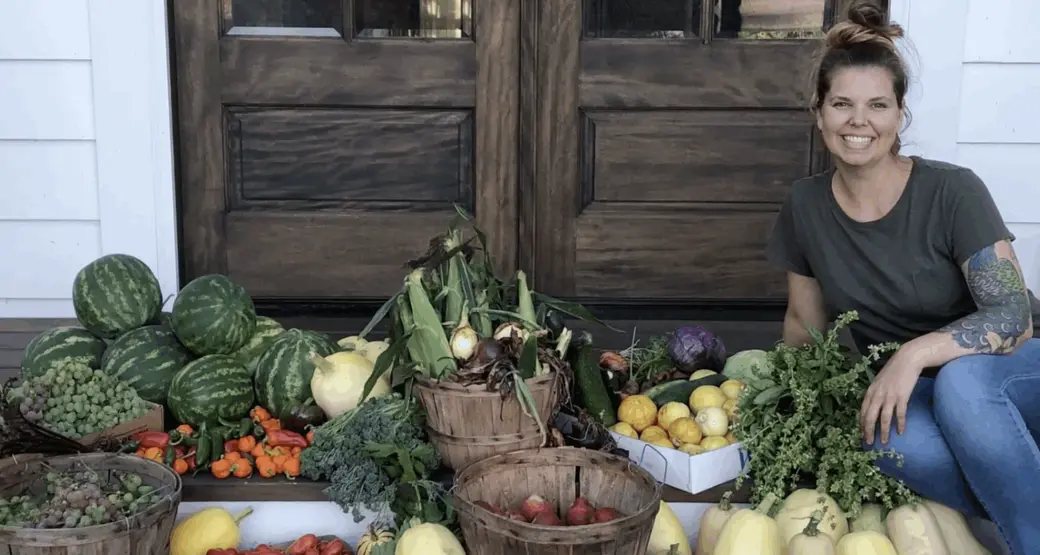
Small-scale city gardening in the Portland area trades volume for control. Raised beds are easy to hand water and quick to scout for pests, but losing a single plant stings more when you only have a few. Larger rural gardens in zone 8B can produce far more, though they need drip irrigation, watering zones, and proactive pest prevention through companion planting. Either way, Oregon's mild climate and long season leave room for a second, cool-season planting in late summer.
I've gardened three ways in Oregon: on a couple thousand square feet of rural beds, in a suburban yard, and now on a city lot with a small run of raised beds. Each move taught me something new, and if you're relocating here and weighing a place with acreage against a tidy in-town lot, the size of your growing space will shape your gardening more than almost anything else.
Does a Smaller Lot Mean You Can't Grow Much?
A city lot grows less total food than rural acreage, but it gives you more control over every plant. The real change is your margin for error: with only a few plants, one failure counts for more.
My old country garden ran about 2,400 square feet, with connected beds three to four feet wide and roughly eight feet long. That kind of space is built for abundance. Even if a few plants underperformed, something was always producing a bumper crop, so the whole season felt successful no matter what.
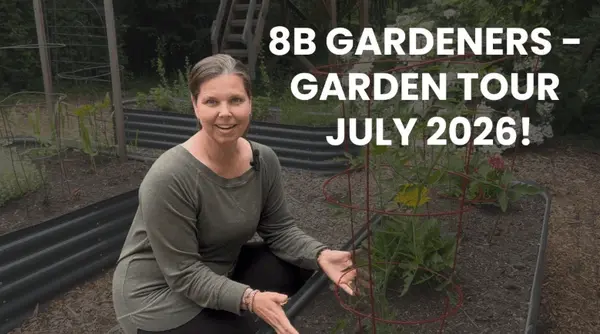
A city lot works differently. I have a handful of raised beds now, which means I can give real attention to each plant, but I also have less cushion. If a tomato fails on acreage, you shrug. If it fails when it's one of six plants you have room for, you feel it. So if you're hoping for a big harvest of one specific thing on a small lot, plant mostly that. Fill the beds with tomatoes if tomatoes are what you want, rather than spreading yourself across a dozen crops that each get one shot.
What Changes Day-to-Day: Watering, Feeding, and Pests
Small gardens can be hand watered and scouted plant by plant, while large ones need drip systems with separate zones for different water needs. Feeding scales the same way, from buckets of compost tea to wheelbarrows.
On acreage, I ran a drip system with four zones, because leafy greens want more water than other crops and everything needed to be programmed to match. On a small lot, I water each plant by hand, right at the base, which doubles as a daily once-over. I can check the undersides of leaves, catch pests early, and pull anything that's draining the plant's energy.
That visibility changes how you handle pests. With a big garden, I had to be proactive, leaning hard on companion planting to deter bugs and keep plants strong before problems started. On a small lot I can afford to be more reactive, because I see everything. Feeding follows the same logic. I still make compost tea to nourish the beds, but instead of soaking a burlap sack in a wheelbarrow, I make small batches in a bucket and dilute it before watering it in. For bed prep, I like layering cardboard and compost right on top and letting it break down in place, which works at any scale.
What Can You Plant in Zone 8B in Late Summer?
The Willamette Valley and Portland metro span roughly USDA zones 8a to 9a, with mild winters and a long season. That means August is both harvest time for summer crops and planting time for a second, cool-season round.
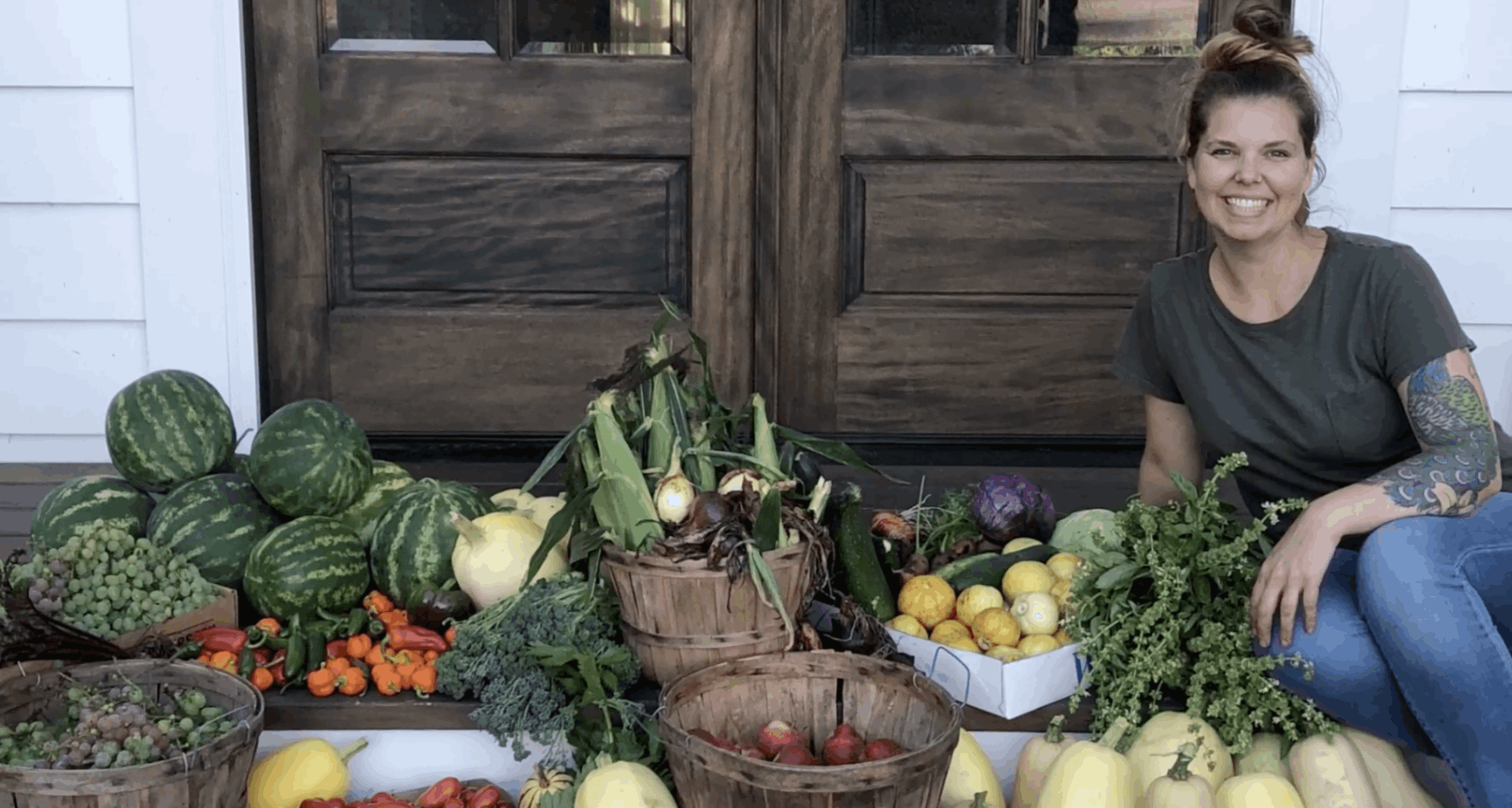
This is the part that surprises people moving from harsher climates. Right now, in August, I'm harvesting summer squash, tomatoes, peppers, beans, and corn. At the same time, I'm starting a fall garden: carrots, greens, radishes, and another round of peas. The mild marine climate here gives you a genuine second planting window, so a bed that finishes one crop in late summer can carry another into fall and winter. Cool-season crops like carrots, kale, lettuce, and spinach do well through Portland-area winters, which is a real perk whether you land on a quarter acre or a quarter of that.
Wherever you settle, keep notes your first year. I'm learning my new yard's sun exposure and tree cover as I go, and some things that struggled this season may do fine once I know where they belong.
If you're trying to picture what daily life looks like on different kinds of Oregon property, from an in-town lot to something with room to grow, I'm happy to talk through the tradeoffs. Reach out anytime here and we can figure out what fits the life you're planning.
Categories
- All Blogs (158)
- Divorce (5)
- Downsizing (6)
- Eco-Friendly Living (4)
- Explore Oregon (40)
- Food (1)
- Home Buying (96)
- Home Maintenance (26)
- Home Selling (55)
- Home Styling & Staging (2)
- Join REAL (11)
- LGBTQIA+ (11)
- My Life (4)
- Neighborhoods (23)
- PNW Gardening (10)
- Real Estate History (14)
- Relocation (43)
- Veteran Loans (1)
Recent Posts



LET'S CHAT