
How Far Ahead Should You Start Planning a Move to Oregon?
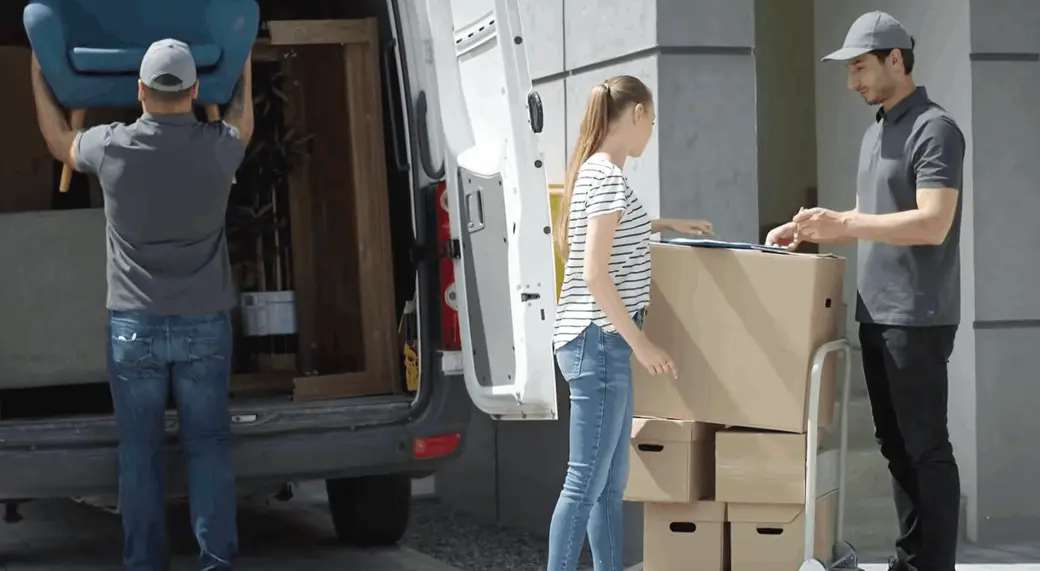
Start preparing about six weeks before an out-of-state move to Oregon. The three-to-six-week stretch is for booking movers, purging, and measuring doorways at your new place; the two-to-four-week window handles your change of address, utilities, and care arrangements; the final days are for finalizing your overnight bag and any last-minute essentials. Oregon adds one deadline newcomers routinely miss: you have 30 days after you establish residency to register your vehicle and replace your out-of-state driver license.
I have moved plenty of clients into the Portland area, and I have moved myself well more than once, and here is the honest truth: the people who start six weeks out are calm on moving day, and the people who start the week before are not. A little runway changes everything.
You can download my full moving guide here: Free Moving Checklist
How far ahead should you start packing when moving?
The three-to-six-week window is for the big logistical calls: getting moving-company bids, purging what you do not want to haul across the state line, and confirming your furniture actually fits through the doors of your new home.
Call at least two or three moving companies and have each one bid your move. You want to compare pricing, but you also want to hear how they operate and what their insurance actually covers, because those answers vary more than the quotes do.
Then start purging, and be ruthless about it. Every box you keep is a box you pay to move, so donate what someone else can use and toss the rest before it rides across the state on your dime.
One step people skip: measure your doorways and stairwells before the truck shows up. A lot of the close-in Portland housing stock is older (such as the bungalows and foursquares across Southeast and Northeast) and those homes came with narrow doors and tight staircases. Washers, dryers, and big sectionals are sometimes bigger than can fit through doorways and stairwells. Better to learn that now than to have a sofa stuck on the porch on moving day.

What should you set up two to four weeks before moving day?
This is the admin window: change of address, utilities, essentials bin, documents pulled aside, and care arrangements confirmed for the day itself.
File your USPS change of address online here. It is free to do in person at any post office, or there is a small identity-verification fee to do it online. Set the forwarding start date to match your move so nothing slips into a gap. While you are at it, tell everyone who has your address on file: banks, credit unions, insurers, your employer, subscriptions, all of them.
Build a moving essentials bin now, the scissors, tape, screwdriver, and hammer you will reach for on both ends of the move. Pull your valuables and important documents out of the flow entirely, label them "do not move," and keep them somewhere the crew will not sweep them into the truck.
Two things that make moving day easier: confirm childcare or pet care so you are hands-free while the movers work, and refill your prescriptions so you are covered for a few weeks. Getting set up with a new pharmacy and doctor in Oregon takes time you will not have that first week.
What do you actually need on moving day?
Pack an overnight bag and an "open first" box before the truck arrives, keep some cash on hand for the movers, and bag and label the hardware from anything you take apart.
Pack an overnight bag like you are staying at a hotel: toiletries, medications, chargers, snacks. Then pack what I call an open-first box that has sheets, blankets, toiletries for the first night. I keep a second one just for the kitchen, with a couple of mugs, coffee and filters, a plate, and some utensils, so I can function the next morning before I have unpacked a single other thing.
Keep cash on you to tip the movers or send them to lunch; I also leave a box of granola bars and some drinks out on the porch so they can grab something whenever they need it. Anything you take apart, a bed frame or a table, put the screws and hardware in a labeled bag and carry it in your own car, because loose hardware is the first thing to disappear in a full truck. If you can, color-code your boxes by room so the crew places them right the first time. And if you are moving with pets, set up one quiet room first with their bed, a familiar toy, and water, so they have somewhere calm to land while the chaos happens around them.
What is different about moving to Oregon specifically?
Two Oregon rules catch newcomers off guard: a 30-day deadline at the DMV, and emissions testing across the Portland metro.
You have 30 days from the day you establish residency to title and register your vehicle and swap your out-of-state license for an Oregon one. In the tri-county metro (Multnomah, Washington, and Clackamas) your car also has to pass a DEQ emissions test before it gets plates. Oregon has no sales tax, which is a pleasant surprise at the register, though a vehicle use tax applies to a car you bought out of state and bring with you.
Utilities work a little differently here too. Which electric company you get depends on your exact address: Portland General Electric covers most of the metro, while Pacific Power serves other pockets. NW Natural handles gas across the area, and garbage, water, and sewer are arranged through your city or county rather than one regional provider, so check what applies to your specific street before moving week.
Let's make your move easier
If you are planning a move to the Portland area, I keep a detailed six-week checklist I am glad to send your way. And if you are still weighing which neighborhood or suburb fits your timeline and budget, reach out to me here and we can talk it through, no pressure either way.
You can download my full moving guide here: Free Moving Checklist
Categories
- All Blogs (158)
- Divorce (5)
- Downsizing (6)
- Eco-Friendly Living (4)
- Explore Oregon (40)
- Food (1)
- Home Buying (96)
- Home Maintenance (26)
- Home Selling (55)
- Home Styling & Staging (2)
- Join REAL (11)
- LGBTQIA+ (11)
- My Life (4)
- Neighborhoods (23)
- PNW Gardening (10)
- Real Estate History (14)
- Relocation (43)
- Veteran Loans (1)
Recent Posts







LET'S CHAT