
How to Know If It’s Time to Downsize (Without Rushing the Decision)
Downsizing is one of those ideas that tends to surface quietly.
It might show up as a passing thought while paying a utility bill, maintaining a yard that feels heavier than it used to, or realizing parts of your home no longer match how you actually live day to day. For many people, it’s not about wanting less, it’s about wanting different.
If you’re wondering whether it might be time to downsize, my approach is never to push toward a yes or no. It’s to slow the conversation down, ask better questions, and make sure any decision is grounded in clarity rather than pressure.
Here’s how I typically walk through this topic with clients.

Downsizing Isn’t About Age or “Life Stage”
First, let’s clear up a common misconception.
Downsizing is not tied to a specific age, income level, family structure, or timeline. People consider downsizing for many reasons: changing household needs, financial goals, health considerations, a desire for less maintenance, or simply wanting a home that fits their current life more closely.
There is no “supposed to” here. The only thing that matters is whether your home is supporting you, or quietly draining your time, energy, or resources.
A Gentle Starting Question I Often Ask
Instead of asking “Should I downsize?”, I usually start here:
“Does your home still work for the life you’re living right now?”
That question opens the door to an honest, pressure-free conversation. From there, we look at a few areas together.
Signs Downsizing Might Be Worth Exploring
None of these mean you should downsize, but they can be useful signals.
Your Home Requires More Than You Want to Give
Maintenance, repairs, cleaning, yard work, or ongoing costs can start to feel like a job rather than a choice. If keeping up with your home feels stressful or exhausting, that’s important information.
You’re Not Using Much of the Space
If entire rooms sit unused or storage has taken over living areas, it may be worth asking whether that space is still serving you, or whether it’s simply something you’re maintaining out of habit.
Your Priorities Have Shifted
Many people find they want to travel more, spend time on hobbies, simplify finances, or reduce monthly expenses. A different-sized or different-style home can sometimes support those goals more effectively.
You’re Thinking Ahead, Not Panicking
Some clients explore downsizing proactively, while everything is still manageable. Planning ahead often allows for more options and less urgency, which can make the process feel calmer and more empowering.
Signs It Might Not Be the Right Time
Just as important: downsizing isn’t always the answer.
If the idea feels rushed, fear-driven, or rooted in outside pressure, it’s worth pausing. Emotional attachment, community connection, or the stability your home provides can be deeply valuable. Those things matter just as much as square footage or expenses.
Sometimes the best outcome is clarity, not a move.
Downsizing Doesn’t Have to Mean “Less Comfort”
A common concern I hear is the fear of losing comfort, identity, or independence.
In reality, downsizing can look many different ways:
-
Moving to a home that’s easier to maintain
-
Choosing a layout that works better physically or practically
-
Staying in the same community, just in a different type of space
-
Reducing costs while increasing flexibility
The goal isn’t to shrink your life. It’s to align your home with it.
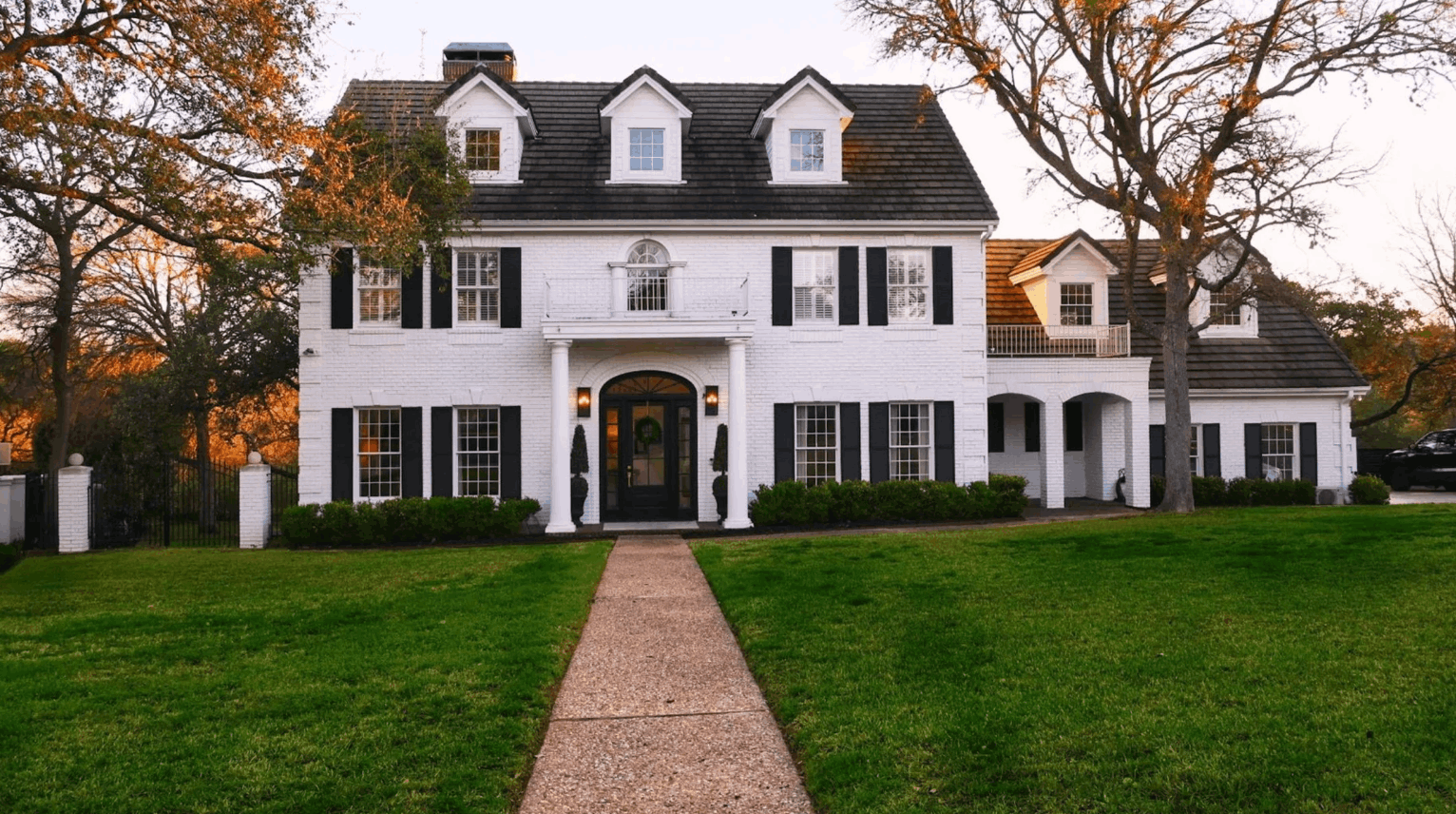
How I Support This Conversation as a Real Estate Professional
When someone brings up downsizing, my role isn’t to convince them to sell or move. It’s to help them understand their options.
That might include:
-
Talking through what they like and don’t like about their current home
-
Looking at financial implications without assumptions or pressure
-
Exploring “what if” scenarios purely for information
-
Discussing timelines that feel realistic and respectful
Sometimes that leads to a move. Sometimes it leads to a decision to stay put, with more confidence. Both are valid outcomes.
A Thoughtful Next Step (If You’re Curious)
If downsizing has been on your mind, you don’t need to have a plan, a timeline, or a firm decision to start the conversation. You just need curiosity and honesty about what you want your home to support next.
Clarity comes from information, not urgency.
If you ever want to talk it through, my approach will always center on education, care, and helping you make decisions that feel right for you, on your terms.
Categories
- All Blogs (158)
- Divorce (5)
- Downsizing (6)
- Eco-Friendly Living (4)
- Explore Oregon (40)
- Food (1)
- Home Buying (96)
- Home Maintenance (26)
- Home Selling (55)
- Home Styling & Staging (2)
- Join REAL (11)
- LGBTQIA+ (11)
- My Life (4)
- Neighborhoods (23)
- PNW Gardening (10)
- Real Estate History (14)
- Relocation (43)
- Veteran Loans (1)
Recent Posts








LET'S CHAT