
Is Portland Still a Good Real Estate Investment in 2026? A Real Talk Breakdown
If you’ve been wondering whether now is a smart time to invest in Portland real estate—you’re not alone.
The narrative around Portland has shifted a lot over the past few years. Headlines have ranged from “market slowdown” to “urban challenges,” leaving many buyers and investors unsure.
So let’s cut through the noise and look at what’s actually happening in 2026.
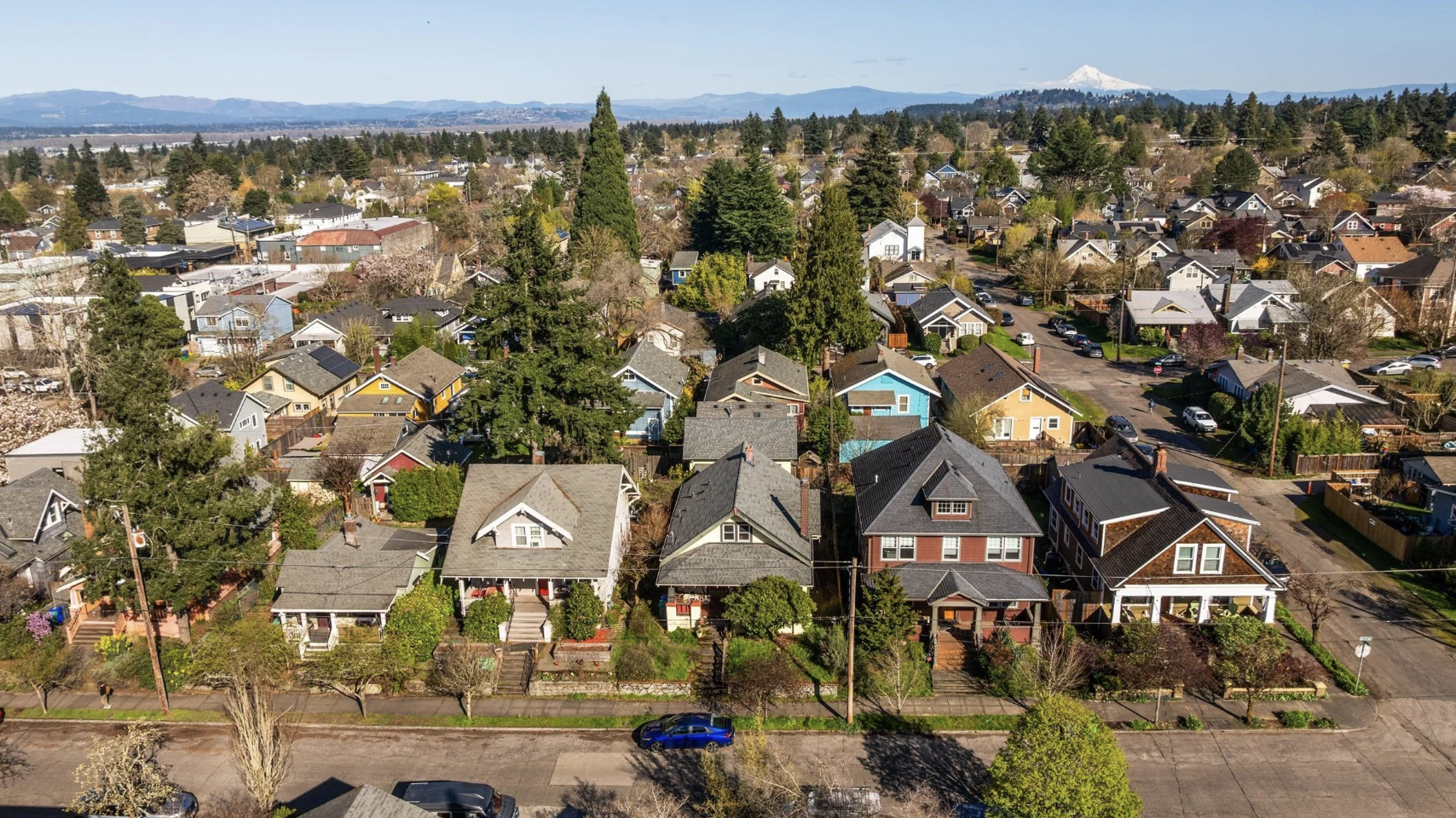
1. Portland Is No Longer a “Hot Market”—And That’s Not a Bad Thing
Gone are the days of extreme bidding wars and double-digit appreciation.
What we’re seeing instead is:
- More balanced market conditions
- Longer days on market
- Increased negotiation opportunities
For buyers, this creates something we haven’t seen in a while: breathing room.
And for investors? It means more thoughtful, strategic purchases—not speculative ones.
2. Migration Patterns Are Evolving
During the pandemic, Portland saw an outflow of some residents—but that’s only part of the story.
We’re now seeing:
- Continued in-migration from higher-cost states like California
- Buyers seeking lifestyle-driven moves
- Increased interest in smaller communities and suburbs
People aren’t just chasing jobs—they’re choosing how they want to live.
3. Portland Still Offers Relative Affordability (Compared to West Coast Cities)
Compared to cities like Seattle, San Francisco, or Los Angeles, Portland remains more accessible.
This matters for:
- First-time buyers
- Remote workers
- Long-term investors
Even with price fluctuations, Portland’s cost of entry is still lower than many comparable urban markets on the West Coast.
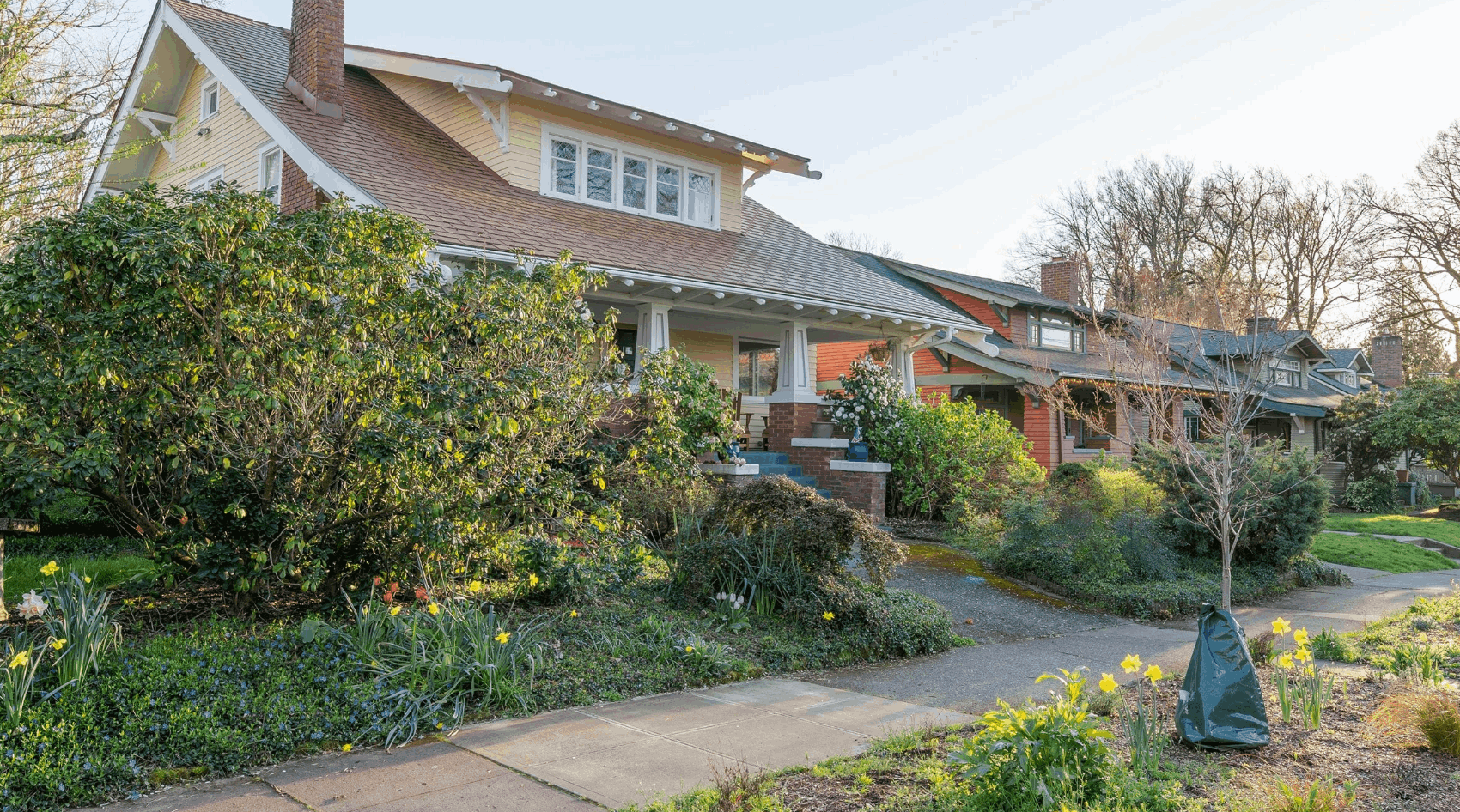
4. Policy and Regulation Matter—A Lot
Portland is known for progressive housing policies, including:
- Tenant protections
- Rent regulations
- Urban growth boundaries
For some investors, these are deterrents. For others, they align with values around housing stability and community care.
Either way, they shape the landscape.
Translation:
Portland isn’t a “maximize profit at all costs” market—it’s a values-influenced market.
5. Appreciation Is Slower—But Still Present
We’re no longer in rapid appreciation territory, but that doesn’t mean growth has stopped.
Instead, we’re seeing:
- Steadier, more predictable appreciation
- Micro-market variation (neighborhood matters more than ever)
- Increased importance of property condition and uniqueness
The days of “buy anything and win” are over.
Now it’s about:
Buying intentionally.
6. Lifestyle Is Still Portland’s Biggest Asset
Let’s be honest—people don’t move to Portland just for ROI.
They come for:
- Access to nature
- Creative culture
- Food, wine, and community
That lifestyle appeal continues to drive demand—especially among buyers who prioritize quality of life over purely financial metrics.
So… Is It a Good Investment?
The answer is: it depends on your goals.
Portland is a strong investment if you:
- Plan to hold long-term
- Value lifestyle alongside financial return
- Buy in a neighborhood with strong fundamentals
It may not be ideal if you:
- Want quick flips
- Are looking for rapid appreciation
- Prefer low-regulation markets
Final Thought
Portland in 2026 isn’t about hype—it’s about alignment.
The best investments here are made by people who understand:
- The market
- The community
- And their own priorities
Categories
- All Blogs (158)
- Divorce (5)
- Downsizing (6)
- Eco-Friendly Living (4)
- Explore Oregon (40)
- Food (1)
- Home Buying (96)
- Home Maintenance (26)
- Home Selling (55)
- Home Styling & Staging (2)
- Join REAL (11)
- LGBTQIA+ (11)
- My Life (4)
- Neighborhoods (23)
- PNW Gardening (10)
- Real Estate History (14)
- Relocation (43)
- Veteran Loans (1)
Recent Posts











LET'S CHAT