
The Hidden Costs of “Affordable” Homes (And How to Spot Them Before You Buy)
If you’ve been scrolling listings and thinking, “Why is this home so cheap?”—you’re asking the right question.
In today’s market, especially around Portland and the surrounding metro area, “affordable” homes often come with trade-offs that aren’t immediately obvious. And those hidden costs? They can quickly erase any upfront savings.
Let’s break down what’s really going on—and how to protect yourself.
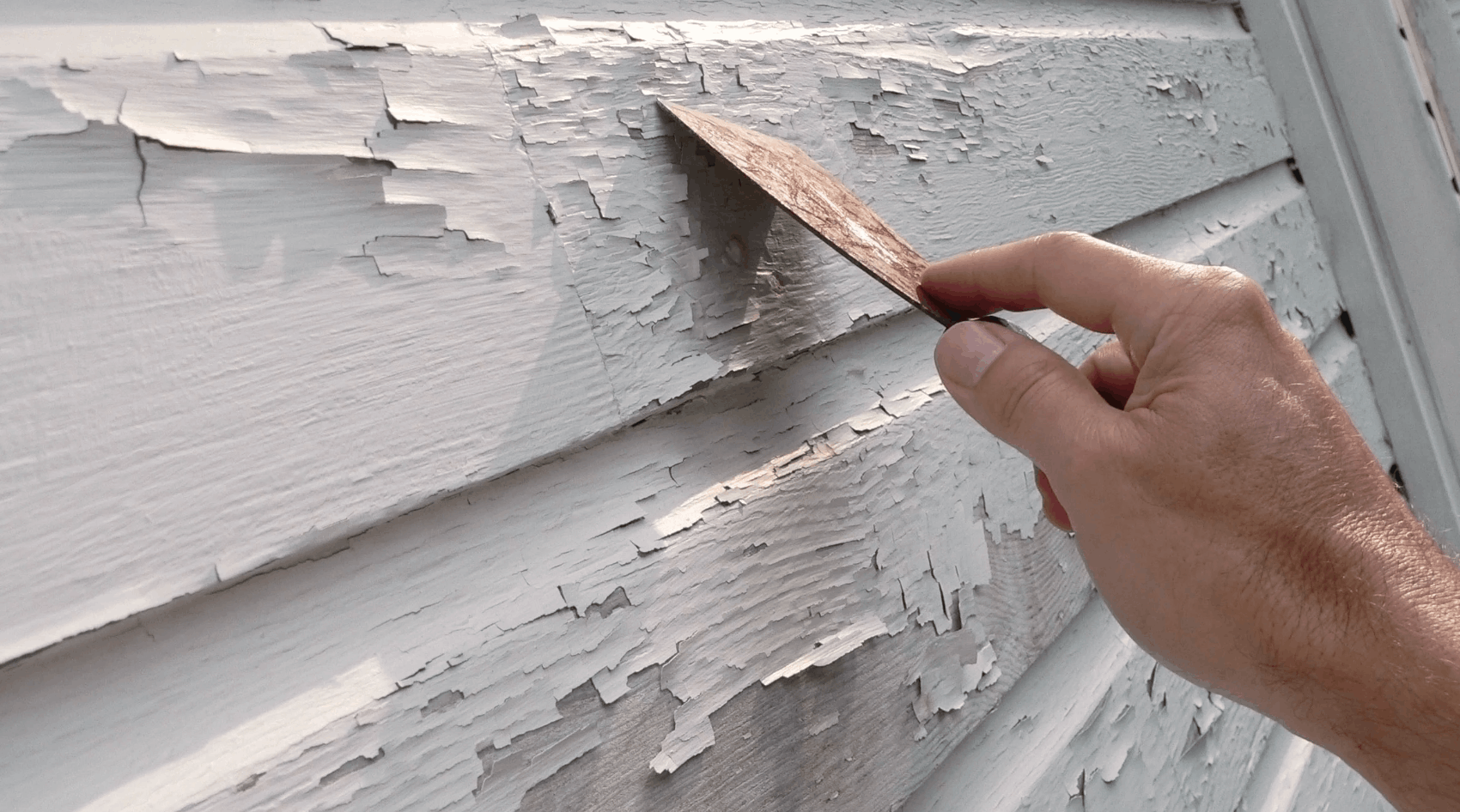
1. Deferred Maintenance: The Silent Budget Killer
One of the biggest reasons a home is priced below market value is deferred maintenance. This means the seller has put off repairs—sometimes for years.
Common examples include:
- Aging roofs (replacement can cost $10,000–$25,000+)
- Old HVAC systems
- Outdated electrical panels
- Plumbing issues (especially in older homes)
These aren’t cosmetic fixes—they’re essential systems. And they add up fast.
What to look for:
- Peeling paint or water stains
- Uneven floors or cracks
- Outdated mechanical systems
A home inspection is critical, but even before that, train your eye to notice signs of neglect.
2. Insurance Challenges Most Buyers Don’t Expect
Here’s something many buyers don’t realize until it’s too late: not every home is easy (or affordable) to insure.
Insurance companies are becoming increasingly strict, especially in the Pacific Northwest.
Red flags include:
- Old roofs (often 20+ years)
- Knob-and-tube wiring
- Homes in flood or wildfire-prone zones
In some cases, buyers are shocked to learn:
- Insurance premiums are significantly higher
- Coverage is limited
- Or worse—insurance is denied altogether
Pro tip: Always get an insurance quote before finalizing your purchase.
3. Layout Problems That Cost You Later
A home might look like a deal on paper, but functionality matters more than square footage.
Common “cheap home” layouts include:
- Awkward room flow
- Tiny or closed-off kitchens
- Bedrooms without closets
- Limited natural light
While you can renovate, layout changes are among the most expensive updates you can make.
Ask yourself:
- Does this home actually support my daily life?
- Or would I need to invest heavily just to make it livable?
4. Location Trade-Offs That Impact Long-Term Value
Price is often tied directly to location—and not just the obvious factors.
Hidden location issues might include:
- High traffic streets
- Proximity to industrial zones
- Limited walkability
- Lack of nearby amenities
In a market like Portland, walkability and neighborhood feel significantly affect long-term appreciation.
A lower price today may reflect:
- Slower resale potential
- Less demand
- Future challenges when you go to sell

5. Permit and DIY Work Risks
Another common issue? Unpermitted work.
You might see a “finished basement” or “converted garage”—but if it wasn’t done legally, it can create serious problems:
- Safety hazards
- Difficulty getting financing
- Issues during resale
What to do:
- Ask for permits and documentation
- Verify with the city when possible
- Don’t assume “updated” means done correctly
The Bottom Line: Affordable Doesn’t Always Mean Accessible
A lower list price can be appealing—but it’s only one piece of the puzzle.
The real question is:
What will this home actually cost you over time?
Sometimes the better investment is a slightly higher-priced home with:
- Solid systems
- Functional layout
- Fewer unknowns
Because peace of mind? That’s part of affordability too.
Categories
- All Blogs (158)
- Divorce (5)
- Downsizing (6)
- Eco-Friendly Living (4)
- Explore Oregon (40)
- Food (1)
- Home Buying (96)
- Home Maintenance (26)
- Home Selling (55)
- Home Styling & Staging (2)
- Join REAL (11)
- LGBTQIA+ (11)
- My Life (4)
- Neighborhoods (23)
- PNW Gardening (10)
- Real Estate History (14)
- Relocation (43)
- Veteran Loans (1)
Recent Posts









LET'S CHAT