
How Indigenous Trade Routes Still Shape Oregon’s Real Estate Landscape Today
How Indigenous Trade Routes Still Shape Oregon’s Real Estate Landscape Today
Oregon’s Portland Metro and wine country are celebrated for their rolling hills, vibrant communities, and world-renowned Pinot Noir. But beneath the picturesque vineyards and bustling neighborhoods lies a story far older than the cities and towns we know today—a story woven by the Indigenous peoples who first called this land home. Their ancient trade routes crisscrossed the region, shaping not only the movement of people and goods but also the very patterns of growth and development that define Oregon’s real estate landscape today.
Land Acknowledgement: Before we explore further, it’s important to recognize that the Portland Metro and wine country areas are located on the traditional lands of the Chinook, Kalapuya, Clackamas, Tualatin, Molalla, and many other Native peoples. We honor their enduring relationship with this land and acknowledge the deep history, stewardship, and culture that continues to shape Oregon.
The Living Legacy of Ancient Pathways
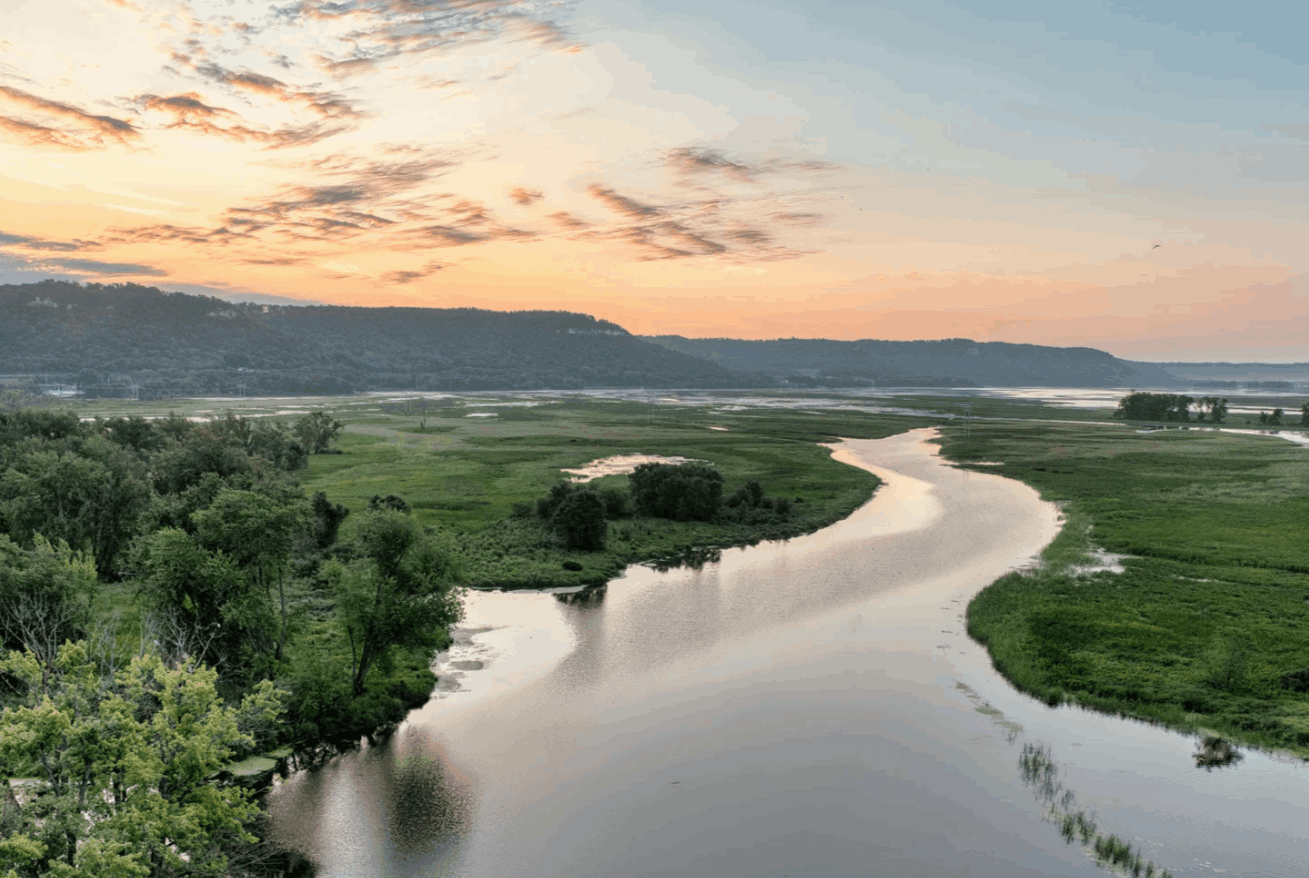
Long before highways and city grids, Indigenous communities established complex trade networks across Oregon. These routes followed riverbanks, ridgelines, and natural passes—some of which are still mirrored by today’s major roads and transportation corridors. The Willamette River, for example, was a vital artery for Kalapuya and Chinook traders, and its banks remain prime locations for neighborhoods and commerce.
From Canoe Trails to Modern Roads
Many of the region’s highways and byways, including sections of Highway 99W and the Tualatin Valley Highway, trace the same paths once traveled by Native traders. These routes were chosen for their natural efficiency, connecting resource-rich valleys, fishing sites, and gathering places. Today, these corridors remain highly desirable for real estate, offering easy access to both urban and rural amenities.
Wine Country’s Indigenous Foundations
The lush valleys of Oregon’s wine country were once gathering spots for tribes who harvested wild foods, fished the rivers, and traded goods. The Kalapuya people, in particular, managed the land with controlled burns and sustainable practices, creating fertile grounds that now support thriving vineyards. Many of today’s sought-after properties owe their productivity to these ancient stewardship techniques.

How History Shapes Today’s Market
Understanding the region’s Indigenous trade routes offers more than just historical insight—it provides a roadmap for modern real estate trends. Properties near these historic corridors often enjoy better infrastructure, scenic settings, and a sense of deep-rooted connection to the land. Buyers are increasingly drawn to areas that blend natural beauty with rich cultural heritage, making knowledge of these routes a valuable asset for both homeowners and investors.
Honoring the Past, Investing in the Future
As Portland Metro and wine country continue to grow, there’s a renewed appreciation for the wisdom embedded in these ancient pathways. Preserving open spaces, respecting natural waterways, and acknowledging the land’s original stewards enriches our communities and adds depth to every real estate transaction. Whether you’re searching for a home or investing in land, understanding the history beneath your feet can guide you toward choices that honor both past and future.
Categories
- All Blogs (158)
- Divorce (5)
- Downsizing (6)
- Eco-Friendly Living (4)
- Explore Oregon (40)
- Food (1)
- Home Buying (96)
- Home Maintenance (26)
- Home Selling (55)
- Home Styling & Staging (2)
- Join REAL (11)
- LGBTQIA+ (11)
- My Life (4)
- Neighborhoods (23)
- PNW Gardening (10)
- Real Estate History (14)
- Relocation (43)
- Veteran Loans (1)
Recent Posts








LET'S CHAT