
Is Solar a Smart Choice for Homeowners in the PNW? What Buyers and Sellers Need to Know Before Signing Anything
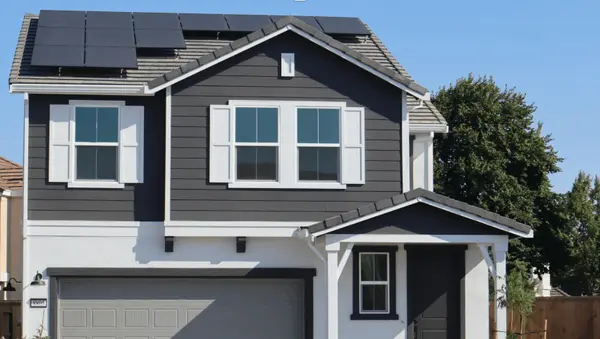
Solar energy has become increasingly popular throughout Portland Portland Metro and Southwest Washington. Rising utility costs, sustainability values, and federal incentives make solar an appealing option for many homeowners.
But there’s another side of the conversation that often gets overlooked: what happens when you need to sell your home while still paying off a solar loan?
This blog walks through the pros, the pitfalls, and the practical realities of solar ownership — especially when selling or buying a home with existing panels. No fear tactics, no hype, just clear, evidence-based information so you can make an informed decision.
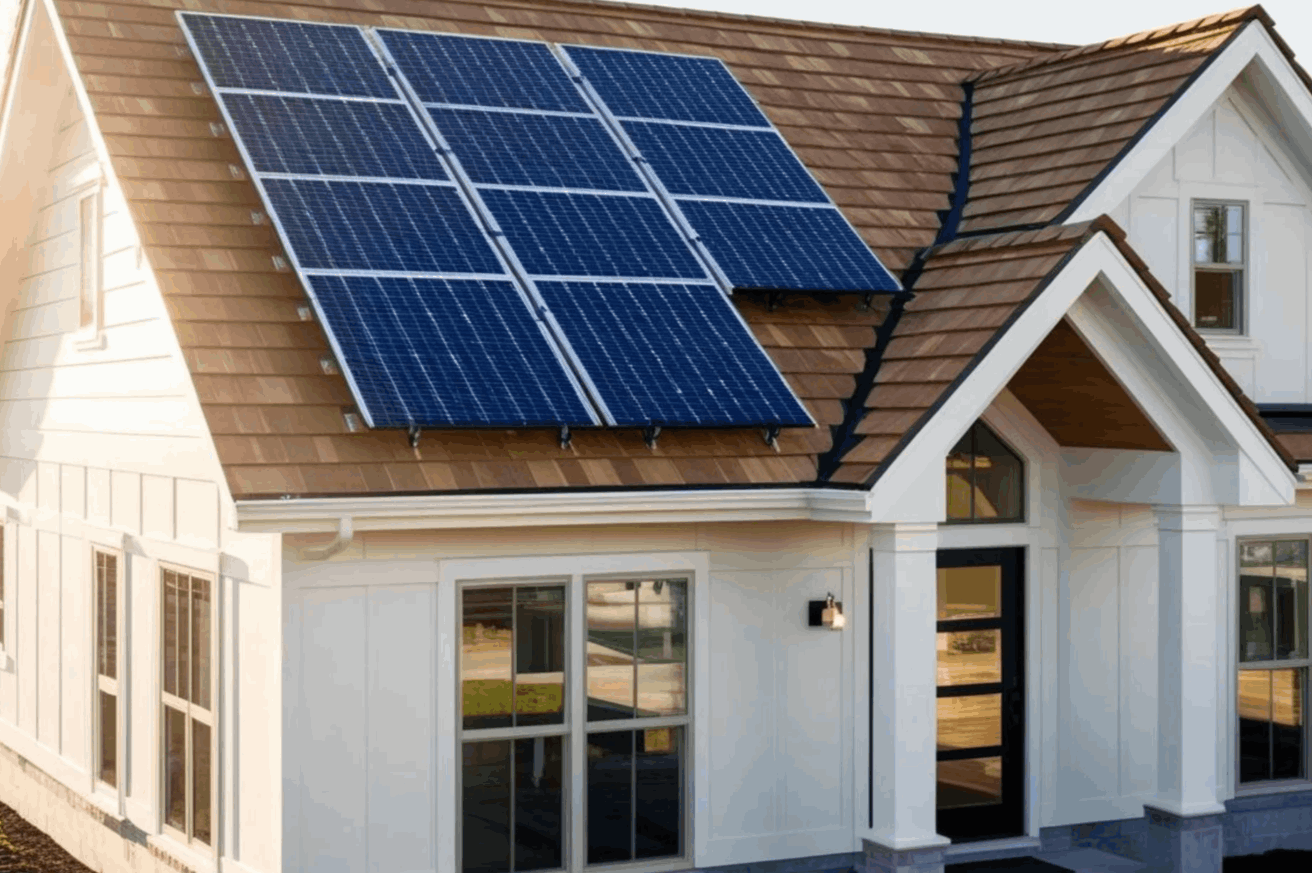
The Upside of Solar: Why Homeowners Consider It
Solar absolutely can be a smart financial and environmental choice for some households. Benefits often include:
1. Reduced Monthly Electricity Costs
Many homeowners see their bills drop significantly. Some pay only a small monthly utility “service” fee because the panels generate the bulk of their power.
2. Possible Tax Incentives
Depending on the year and eligibility, federal and state incentives may reduce the upfront investment.
3. Increased Energy Independence
Solar can reduce reliance on rising utility rates or unpredictable PNW weather patterns.
4. Potential Home Value Boost
Some buyers appreciate the long-term savings, especially in eco-conscious regions like Portland and the Willamette Valley.
These benefits are real. But like anything tied to homeownership, the details matter — a lot.
The Complicated Part: Loans, Liens, Transfers & Sales
When you install solar through financing rather than paying cash, you are not simply buying equipment — you are entering a long-term loan agreement that will follow you until it is either paid off or transferred.
And that’s where things can get tricky.
Solar Loans Are Not Simple to Transfer
Many solar companies advertise “easy loan transfers” to future buyers. However, in practice, transfers are often difficult due to:
-
Strict borrower qualification requirements
-
Income and credit limitations
-
Additional debt-to-income load affecting mortgage approval
-
Companies preferring full payoff rather than assuming risk with a new borrower
Even if the contract says transfer is allowed, it doesn’t guarantee a transfer will happen.

A Real Client Example: What Actually Happened in a Solar Sale
Here’s a real situation I navigated with clients — shared purely to highlight what’s possible when solar financing is involved.
My sellers had financed their solar panels and still owed about $60,000 on the loan. Their monthly energy costs were extremely low thanks to the offset, and the system made sense financially while they lived there.
Then life changed, and they needed to sell.
The buyers loved the solar, understood the savings, and were willing to take over the payments. Everything looked good — until we attempted the loan transfer.
The Solar Company’s Requirement: One Borrower Only
The company would only allow one person to be on the loan.
In addition, qualifying for the solar loan was treated as taking on new debt, which impacted the buyer’s mortgage approval for the house itself.
The buyers ultimately could not qualify under these conditions.
The Seller Had to Pay Off the Loan
With no viable path to transfer the loan:
-
The seller had to pay the remaining balance.
-
We negotiated a higher sale price to recoup part of the payoff.
-
This created appraisal concerns.
-
The buyers had to contribute more cash to close.
-
The transaction took additional time due to the solar complications.
-
Both parties experienced stress, delays, and unexpected financial strain.
The home did close — but the proceeds the sellers expected were significantly reduced because the solar payoff consumed such a large portion.
This story isn’t shared to discourage solar. Some transactions go smoothly. Some don’t involve financing at all. This is simply what can happen, and homeowners deserve to understand these possibilities fully before signing a long-term solar contract.
What Buyers Should Know Before Purchasing a Home With Solar
If you’re buying a home with solar in Oregon or Washington, here are some key questions to ask:
-
Is the system owned, financed, or leased?
Ownership is simplest. Financing and leasing require deeper review. -
Is there a lien on the panels?
Some loans place a UCC filing on the equipment. -
What are the monthly payments and remaining balance?
-
Does the loan contract allow transfers—and under what conditions?
-
How will taking on the solar loan impact your mortgage qualification?
-
Are the energy savings enough to justify payments?
-
Is the system sized correctly for the home’s usage?
When these factors align, solar can be a financial asset. But transparency is key.
What Sellers Should Know Before Installing Solar
If you may move within 5–10 years, consider:
1. Whether a loan payoff fits into your long-term plans
You may be the one responsible for paying off the remaining balance.
2. How long it takes for the system to “break even”
If you plan to move before that point, the savings may not outweigh the loan balance.
3. Whether your future buyer can qualify
Even buyers who want the solar may not qualify for the loan transfer.
4. The impact on your listing timeline
Transfers, reviews, appraisals, and underwriting can extend closing.
What About Leasing?
Leases present their own challenges:
-
Not all lenders will allow a mortgage + leased solar combination.
-
Buyers may not want a 20–25 year contract.
-
Lease buyouts can be expensive.
-
Some appraisers do not attribute value to leased systems.
They can still work — they just require more paperwork and planning.
So… Is Solar a Good Investment?
Solar can absolutely be a great option for some homeowners, especially:
-
Long-term residents
-
People committed to sustainability
-
Cash buyers (no loan complications)
-
Homes with high monthly electricity usage
-
Properties with good sun exposure
It’s not inherently good or bad — it’s a tool. And like any tool, it works best when you understand it fully.
For homeowners planning to move sooner, or for anyone taking on a high-balance loan, it’s wise to explore both the advantages and the potential complications that could arise later.
The Bottom Line
Solar can save money, reduce energy use, and benefit the planet. But when a system is financed, it also becomes a long-term financial responsibility that may affect future plans — especially selling a home.
By understanding:
-
How solar loans work
-
How they impact qualifying
-
What happens during a sale
-
How appraisals factor in
-
And what transfer requirements really look like
…you can decide whether solar aligns with your long-term goals, finances, and lifestyle.
If you ever want help reviewing solar implications on a home sale or purchase in Portland, Yamhill County, SW Washington, or the Puget Sound, I’m always here to walk through the details with you.
Categories
- All Blogs (151)
- Divorce (5)
- Downsizing (6)
- Eco-Friendly Living (4)
- Explore Oregon (38)
- Home Buying (95)
- Home Maintenance (26)
- Home Selling (54)
- Home Styling & Staging (2)
- Join REAL (11)
- LGBTQIA+ (11)
- My Life (4)
- Neighborhoods (21)
- PNW Gardening (8)
- Real Estate History (14)
- Relocation (42)
- Veteran Loans (1)
Recent Posts







LET'S CHAT