
“The Charm (and Legacy) of Sears Kit Houses: Why These Mail-Order Homes Still Captivate Us”
Sears kit homes hold a special place in American architectural history — and for good reason. Long before Amazon Prime or modular prefab companies, Sears, Roebuck & Co. was shipping entire houses to people’s doorsteps, neatly packed into boxcars and delivered with step-by-step instructions.
Between 1908 and 1942, Sears sold an estimated 70,000–75,000 of these homes. What started as a radical idea became a housing revolution that shaped entire neighborhoods, introduced new building technologies, and brought homeownership within reach for families across the country.
Today, these homes continue to inspire deep admiration — not just among architectural historians, but among homeowners, Realtors, preservationists, and old-house lovers everywhere.
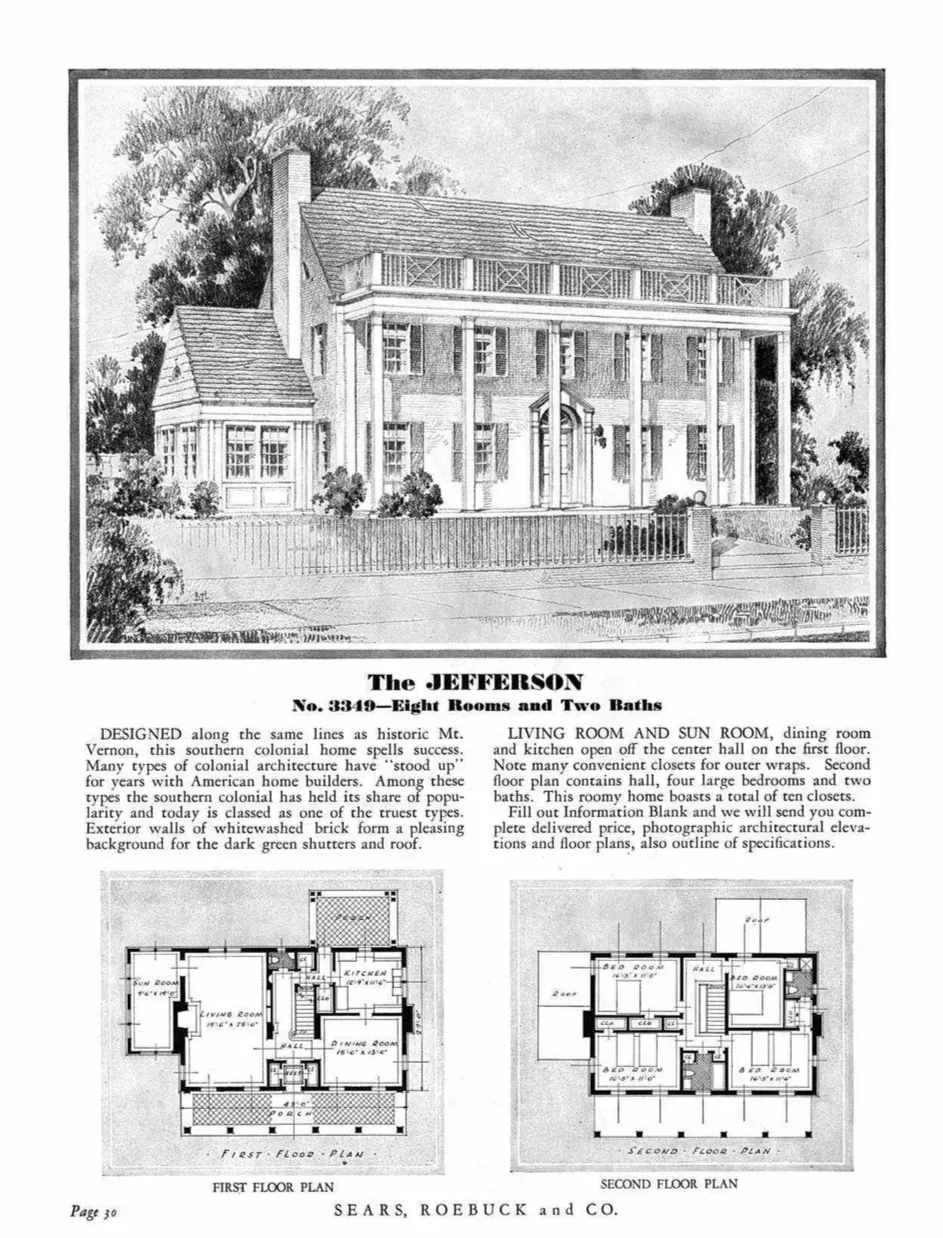
Where the Idea Came From
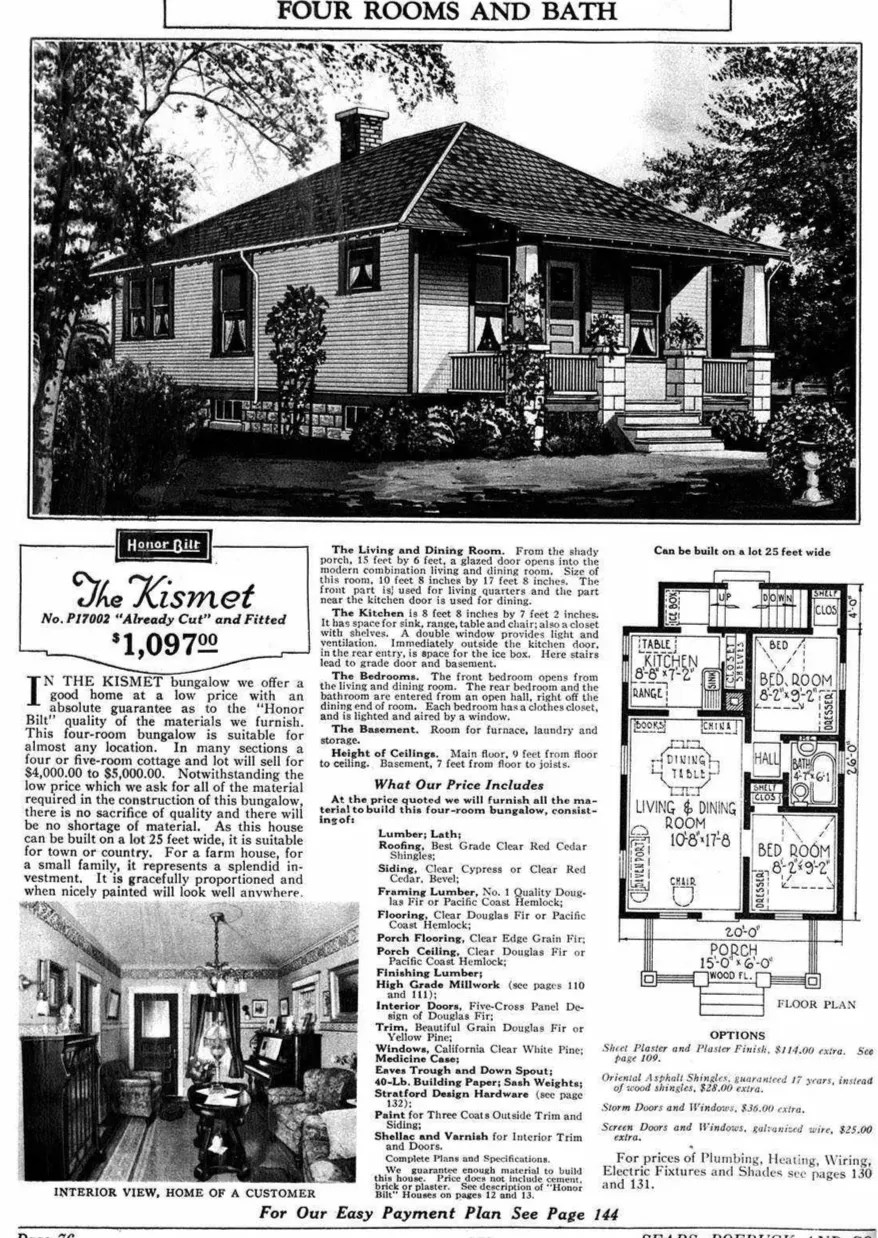
In the early 1900s, Sears had already built a massive catalog empire. They sold clothes, tools, furniture, and even cars. Expanding into houses became the logical next step. Their early catalogs offered only plans, but by 1916 they were shipping full “kits” — bundles of lumber, shingles, doors, windows, nails, and even paint. Every board was pre-cut and labeled so the homebuyer could assemble the pieces like a giant (but very real) puzzle.
The promise was simple:
You provide a plot of land, a few basic tools, and some willing helpers. Sears provides the rest.
For many families, this made the dream of homeownership possible for the first time.
The Quality That Surprised Everyone
One of the most remarkable aspects of Sears kit homes was their craftsmanship. Using high-quality lumber — often old-growth timber we simply can't get now — these homes were sturdy, well-designed, and customizable. Sears’ “Honor Bilt” line used the best materials available at the time, including kiln-dried lumber and superior hardware.
Owners could pick custom finishes, upgrade trim styles, or opt into modern amenities that weren't yet standard, like:
-
Indoor plumbing
-
Central heating systems
-
Wiring for electricity
-
Built-in cabinetry
-
Fireplaces
-
Better insulation
These weren’t throwaway houses. Many stand today in near-original condition thanks to their solid construction and thoughtfully designed layouts.
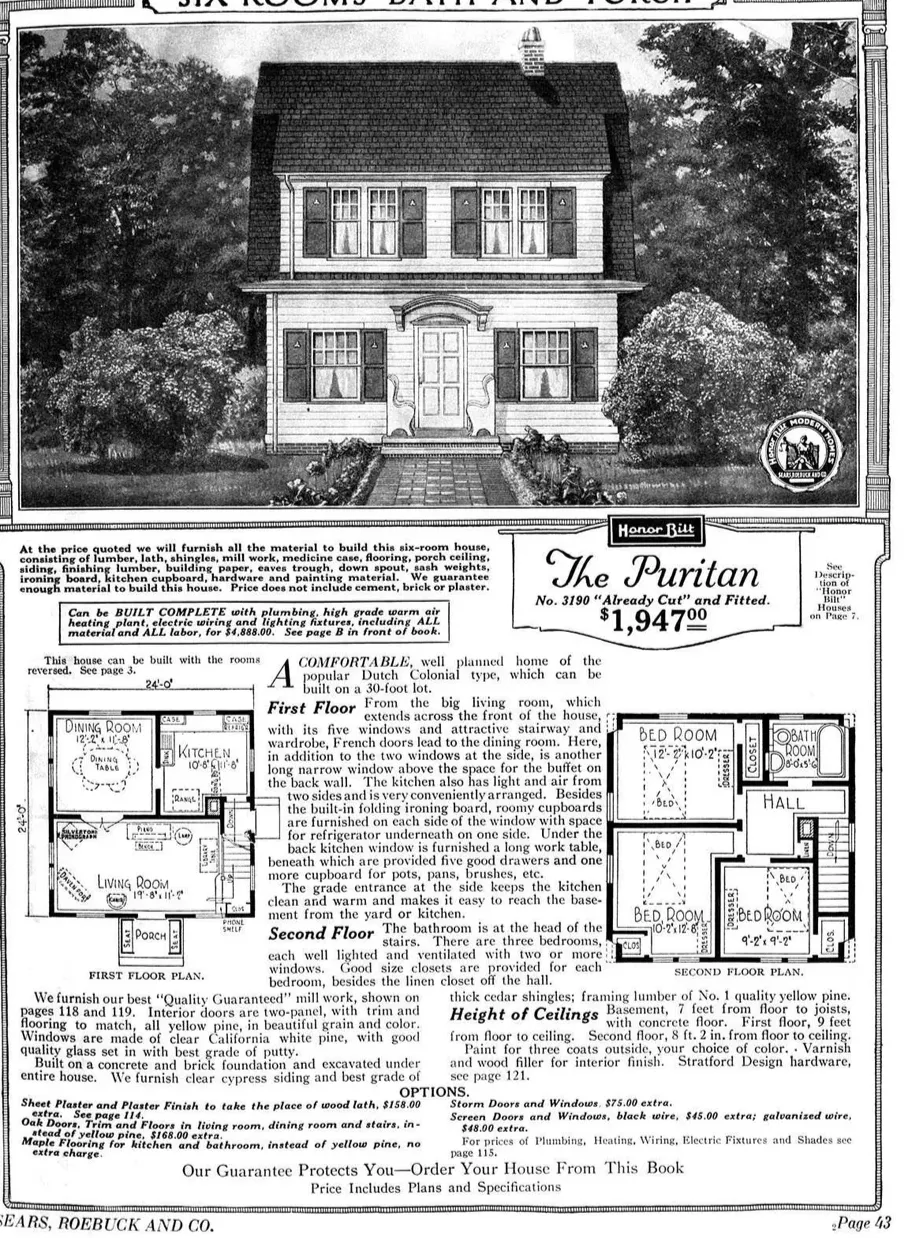
An Early Example of Accessible, Flexible Housing
Sears homes were precursors to many housing trends we see now: modular construction, prefab efficiency, and affordable materials. Also — something very relevant to today’s market — Sears offered in-house financing. For years, they became one of the largest mortgage lenders in the country.
This made a huge impact during the post-WWI housing boom, when families needed small, efficient, affordable homes.
Popular Styles Still Recognized Today
Sears offered more than 370 models over the years. Some of the most iconic include:
-
The Crafton & Osborn – classic Craftsman bungalows
-
The Vallonia – distinctive front-gabled bungalow
-
The Maytown & Mitchell – simple worker cottages
-
The Magnolia – a grand Colonial Revival mansion (only a handful still exist)
-
The Alhambra – mission-style with arches and stucco
-
The Barrington – charming Tudor Revival
These homes helped shape the architectural landscape from the Midwest to the East Coast — though a few made their way west, including into the Pacific Northwest.
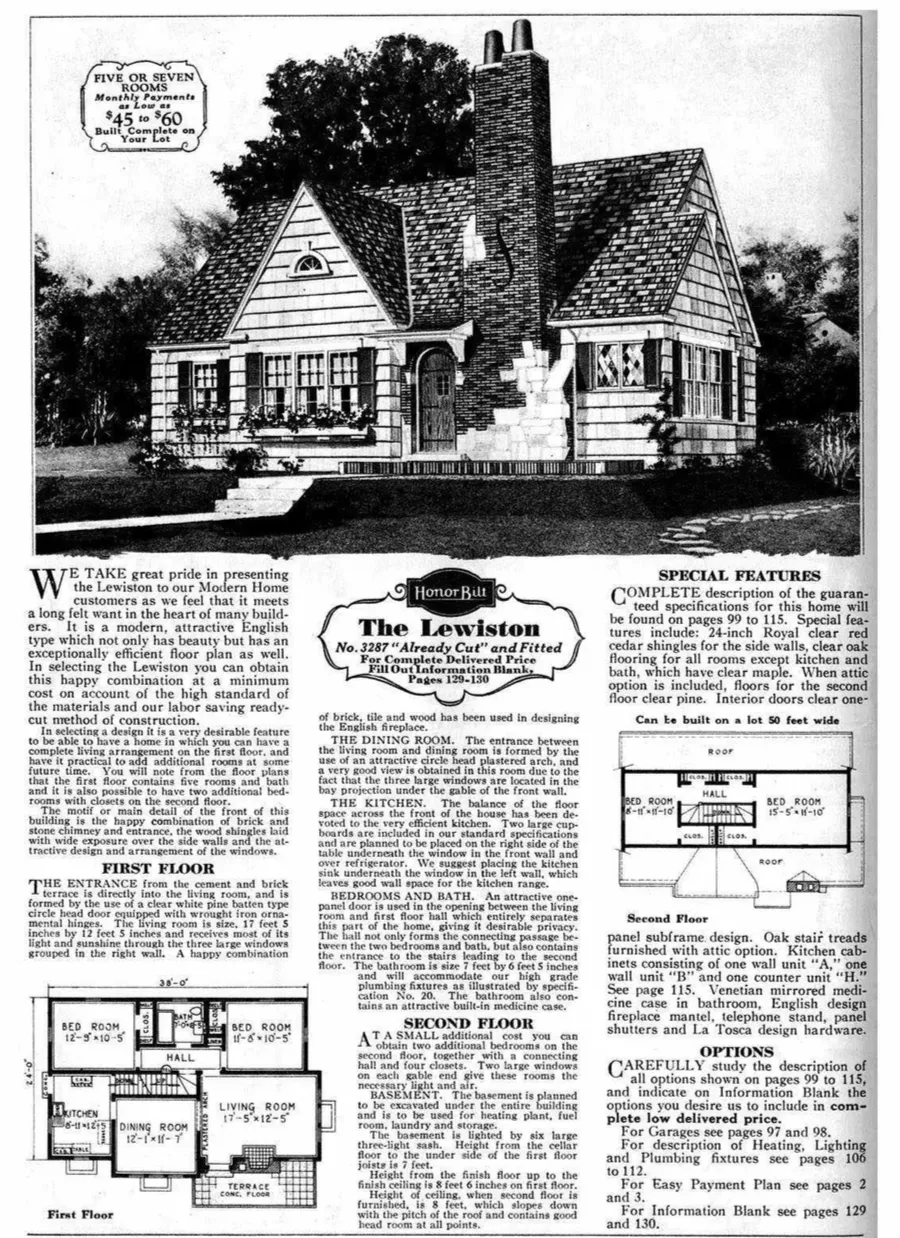
Spotting a Sears Home Today
Part of the charm is that you can still find Sears kit houses scattered across the country, sometimes tucked quietly into historic districts, sometimes hiding in plain sight. Telltale signs include:
-
Numbered joists or beams
-
Original Sears hardware
-
Floor plans that match catalog models
-
Shipping records or mortgage documents
-
Columns or millwork unique to Sears designs
Some homeowners don’t even realize they’re living in a piece of American history.
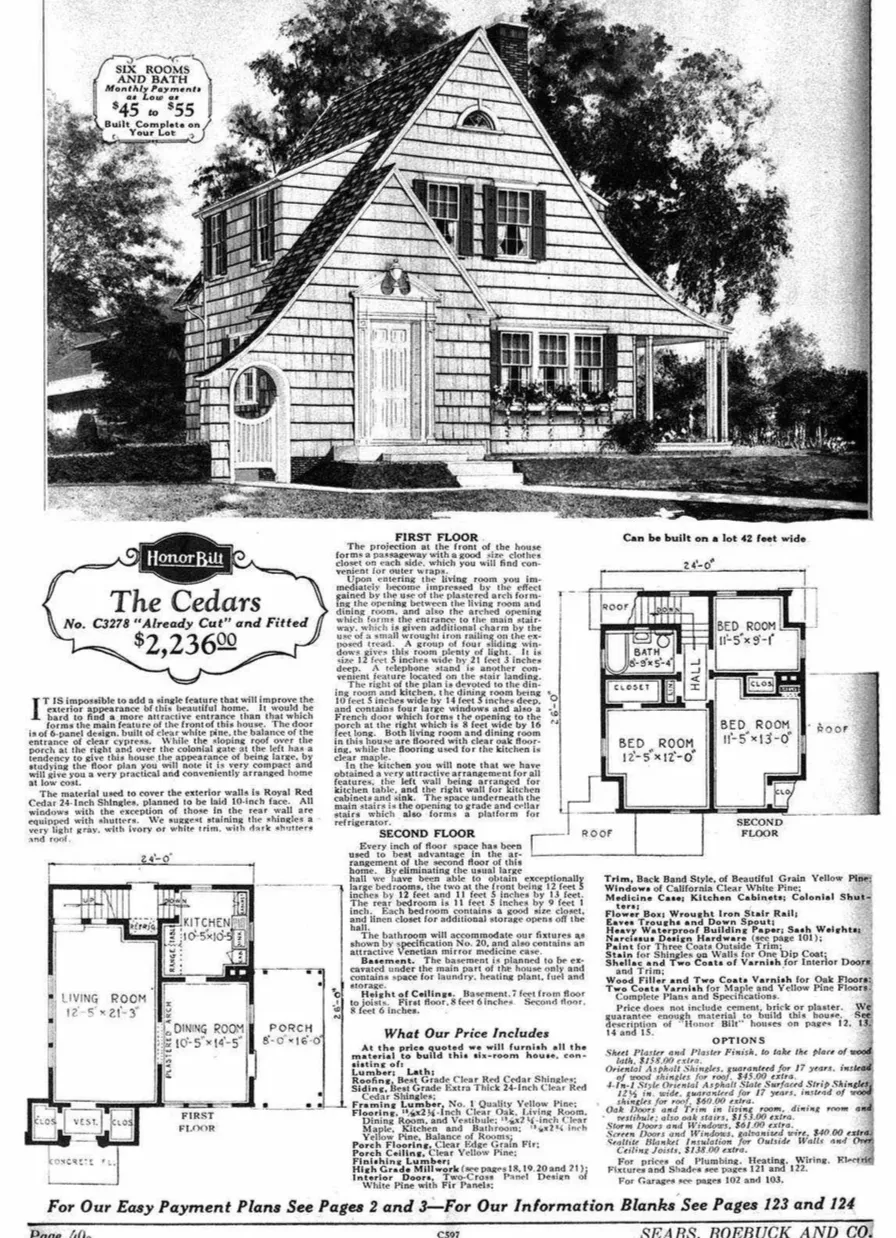
Why They Still Fascinate Us
For many, Sears homes represent a time when design, craftsmanship, affordability, and ingenuity all converged. They remind us that housing can be simple, beautiful, and accessible — and that people once built their own homes with neighbors over a few weekends.
Today they’re beloved for:
-
Their sturdy construction
-
Their charm and architectural detail
-
Their efficiency and livability
-
Their place in U.S. housing history
-
The nostalgia of a bygone era
In many ways, they mirror conversations we’re still having today: What does accessible housing look like? How do we balance affordability with quality? What can we learn from early modular design?
Why This Matters for Oregon, Real Estate, and Homebuyers Today
Even though Sears kit homes are more common in the Midwest and East Coast, the PNW has its share of early catalog and kit-built houses. Understanding them — and the larger movement they represent — helps modern homebuyers appreciate historic craftsmanship, recognize unique properties, and understand how American homebuilding evolved.
For Realtors, preservationists, and history lovers, they’re a reminder that homes are more than structures. They’re stories. And Sears homes have some of the best stories of all.
Categories
- All Blogs (158)
- Divorce (5)
- Downsizing (6)
- Eco-Friendly Living (4)
- Explore Oregon (40)
- Food (1)
- Home Buying (96)
- Home Maintenance (26)
- Home Selling (55)
- Home Styling & Staging (2)
- Join REAL (11)
- LGBTQIA+ (11)
- My Life (4)
- Neighborhoods (23)
- PNW Gardening (10)
- Real Estate History (14)
- Relocation (43)
- Veteran Loans (1)
Recent Posts










LET'S CHAT