
Best Portland Neighborhoods Near Nature
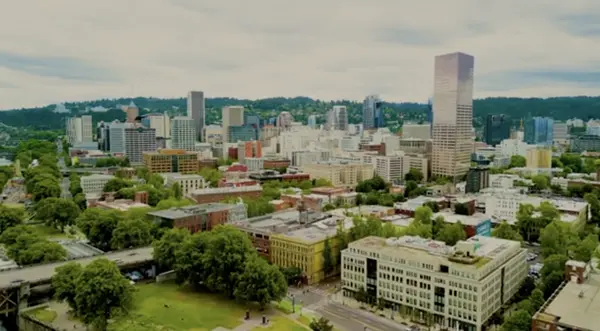
One of the things that makes Portland different from a lot of cities is that nature is woven into daily life here.
You don’t have to plan an entire weekend getaway to feel outside. In many Portland neighborhoods, it’s already part of your routine. You can finish work and be on a forest trail in ten minutes. You can walk to a neighborhood park after dinner, bike to a farmers market, or spend Saturday mornings tending a garden before heading to the river.
For a lot of people moving to Portland, this is the lifestyle they’re actually searching for — even if they don’t fully realize it yet.
They think they’re looking for a house.
But what they really want is easier access to the kind of life they’ve been craving.
Slower mornings.
More time outside.
A stronger sense of community.
Less driving.
More connection to the seasons.
As a real estate agent, I’ve noticed more and more buyers prioritizing access to nature over square footage or luxury finishes. People care about walkability, nearby trails, tree-lined streets, community gardens, bike access, and homes that feel connected to the outdoors.
And honestly, Portland is one of the best cities for that.
Here are some of the Portland neighborhoods I think are especially great for people who value nature, intentional living, and a more grounded lifestyle.
Northeast Portland: Alberta Arts & Concordia
Northeast Portland has a strong community feel while still giving you easy access to parks, local businesses, gardens, and bike routes.
Concordia is especially loved for its quieter residential streets and proximity to places like Alberta Park, Fernhill Park, and the Kennedy School area. Alberta Arts District brings more energy, creativity, restaurants, and walkability while still feeling deeply connected to local culture.
Many homes here have gardens, mature trees, and front porches that encourage neighbors to actually interact with each other. It feels lived-in in the best possible way.
This area is especially appealing for people who want:
-
walkability
-
community-oriented neighborhoods
-
older homes with character
-
nearby cafes and local businesses
-
access to parks and biking
Southeast Portland: Sellwood-Moreland
Sellwood is one of those neighborhoods that feels almost small-town despite being inside Portland.
It’s quieter, greener, and deeply connected to outdoor recreation. You’re close to Oaks Bottom Wildlife Refuge, the Springwater Corridor Trail, and the Willamette River. There’s easy access to kayaking, paddleboarding, biking, and long walks beneath huge old trees.
Sellwood also tends to attract people who value slower living. There are locally owned shops, bookstores, gardens, and a strong sense of neighborhood identity.
If your ideal Portland life includes:
-
walking to coffee shops
-
gardening
-
biking
-
birdwatching
-
access to nature without leaving the city
…Sellwood is worth exploring.
Southwest Portland: Multnomah Village
Multnomah Village feels tucked away from the city while still being incredibly accessible.
This area attracts a lot of people looking for a quieter pace of life and stronger connection to nature. Homes are often surrounded by trees, and many streets feel surprisingly peaceful considering how close you still are to downtown Portland.
One of the biggest draws here is proximity to Forest Park — one of the largest urban forests in the country. Having miles of trails accessible from your neighborhood changes daily life in a very real way.
For people who prioritize hiking, trail running, or simply having green space nearby, Southwest Portland can feel incredibly grounding.
Northwest Portland: Forest Park & Hillside Areas
If being close to trails is your top priority, Northwest Portland is hard to beat.
Neighborhoods near Forest Park offer immediate access to hiking while still keeping you connected to the city. You can genuinely finish dinner and head into the forest for an evening walk.
There’s also something special about living among so many mature trees. Portland’s canopy is part of what makes the city feel softer, calmer, and more livable compared to many urban areas.
Homes here range widely — from apartments and condos to older hillside homes tucked into the trees.
This area tends to attract people who value:
-
outdoor recreation
-
walkability
-
environmental consciousness
-
lower car dependence
-
active lifestyles
Eastmoreland
Eastmoreland has a very different feel from some of Portland’s denser neighborhoods.
It’s quieter and more residential, with wide streets, huge trees, and strong access to parks and green space. Reed College’s campus nearby adds to the neighborhood’s natural beauty, especially in the fall and spring.
Crystal Springs Rhododendron Garden is one of the hidden gems of this area, and being near the Springwater Corridor also makes biking and walking more accessible.
People drawn to Eastmoreland often want:
-
established neighborhoods
-
mature landscaping
-
calmer streets
-
access to walking and biking
-
homes that feel connected to nature
Why This Matters More Than Ever
I think a lot of people are reevaluating what they actually want from their homes.
For years, the cultural message was that bigger was always better. Bigger homes. Bigger upgrades. Bigger everything.
But more and more people are realizing that quality of life often comes from something much simpler.
A home that feels peaceful.
A neighborhood where you know your neighbors.
Access to trails and parks.
A garden.
The ability to spend more time outside.
Portland is one of the few cities where that lifestyle is still genuinely possible.
And in my opinion, that’s a huge part of what makes living here so special.
Because at the end of the day, home isn’t just about the structure itself.
It’s about how your life feels inside it — and outside of it too.
Categories
- All Blogs (158)
- Divorce (5)
- Downsizing (6)
- Eco-Friendly Living (4)
- Explore Oregon (40)
- Food (1)
- Home Buying (96)
- Home Maintenance (26)
- Home Selling (55)
- Home Styling & Staging (2)
- Join REAL (11)
- LGBTQIA+ (11)
- My Life (4)
- Neighborhoods (23)
- PNW Gardening (10)
- Real Estate History (14)
- Relocation (43)
- Veteran Loans (1)
Recent Posts



LET'S CHAT