
Why So Many PNW Homes Are Built to Face the Weather (Not the Street)
Why So Many PNW Homes Are Built to Face the Weather (Not the Street)
When you first stroll through a Portland neighborhood or the rolling hills of Oregon’s wine country, you might notice something curious: many homes don’t seem to care much about the street out front. Instead, they’re angled toward the view, the sun, or a lush backyard garden. This isn’t just a quirky design choice—it’s a tradition deeply rooted in the Pacific Northwest’s history, climate, and culture.
Designed for the Drizzle: Embracing the PNW Climate
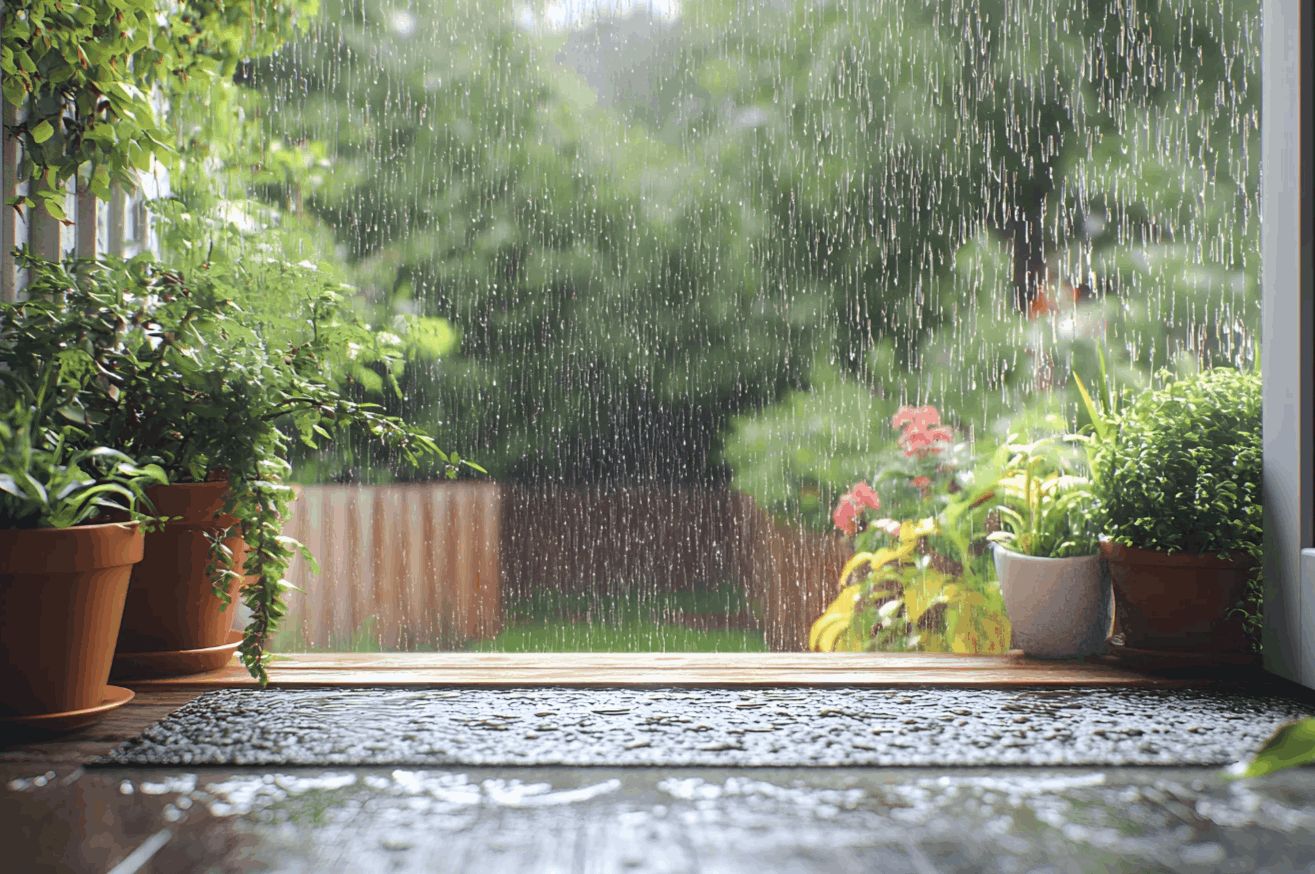
Let’s face it: the Pacific Northwest is famous for its rain. Portland alone gets about 36 inches of it each year, and the Willamette Valley is blanketed in misty mornings and emerald-green landscapes. Early homebuilders quickly learned that surviving (and thriving) here meant working with the weather, not against it. Houses were often oriented to maximize southern exposure, welcoming in precious sunlight during the short winter days and helping interiors stay warm and bright.
Porches, overhangs, and covered patios became architectural staples—offering shelter from sudden showers while still letting residents enjoy the outdoors. Large windows on the south or east sides of homes invite in morning light and frame views of towering fir trees, vineyards, or the distant Cascades. Meanwhile, fewer windows face the street, keeping things cozy and private when the clouds roll in.
A Nod to History: Settlers, Streetcars, and the Oregon Trail
Oregon’s unique approach to home orientation has fascinating historical roots. In the late 1800s, as settlers arrived via the Oregon Trail, they built their dwellings to take advantage of the landscape—facing rivers for water, meadows for farming, or forests for timber. The idea of a house looking out onto a bustling street was less important than capturing a sunny patch or a windbreak from the rain.
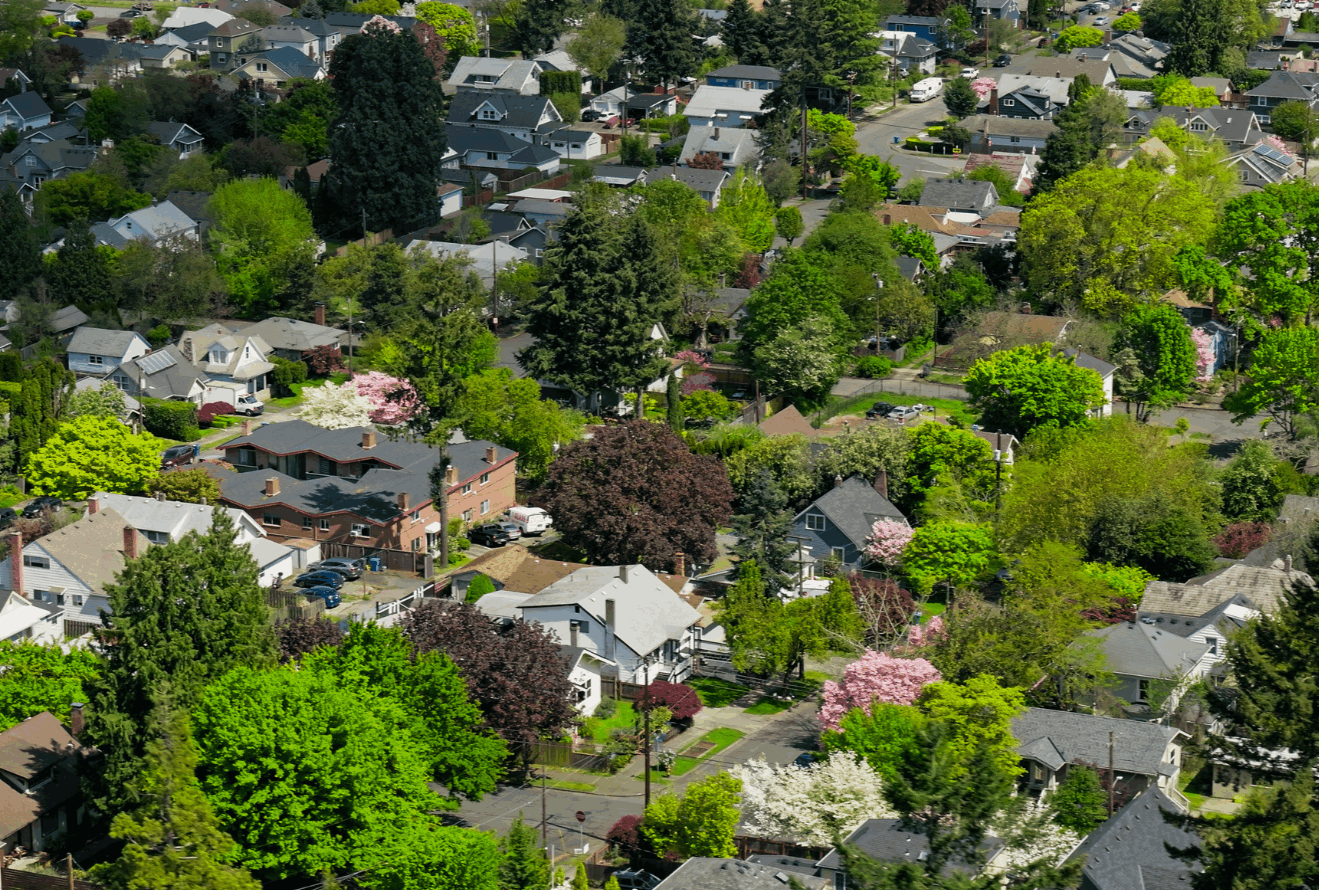
Fast forward to the early 20th century, and Portland’s famous streetcar suburbs—like Irvington and Sellwood—saw homes built with deep front porches and big bay windows looking out over private yards or leafy parks, not just the road. These neighborhoods were designed for walking and community, but still, the homes prioritized comfort and connection to the natural world.
Wine Country’s Signature Style
Drive through Oregon’s wine country—places like Dundee, Newberg, and McMinnville—and you’ll see how this tradition continues. Many vineyard homes and tasting rooms are oriented to soak in panoramic views of vines and valleys. Architects use wide eaves, wraparound decks, and floor-to-ceiling windows to create seamless transitions between indoors and out. It’s all about savoring the scenery, whether you’re sipping Pinot Noir or watching the clouds drift by.
Fun fact: The Willamette Valley is on the same latitude as Burgundy, France, which means the sun’s arc and the growing season are nearly identical. Local builders have long taken cues from European design, blending Old World charm with Northwest practicality.
Neighborhood Nuggets: Quirky Facts from Portland and Beyond
- Alameda Ridge: This historic Portland neighborhood sits atop an Ice Age gravel bar, offering sweeping views of downtown and the mountains. Many homes here were built to face the vista, not the street grid below.
- Forest Grove: One of the oldest towns in Oregon, Forest Grove’s early farmhouses were often set back from the road, facing south to catch more sunlight and keep gardens productive even in rainy months.
- McMinnville: Known for its tree-lined streets and classic Craftsman bungalows, McMinnville’s early homes often feature sleeping porches and sunrooms facing gardens or orchards—perfect for an afternoon nap or a rainy-day read.
- Sellwood-Moreland: Portland’s Sellwood neighborhood was once a streetcar suburb, with homes clustered near parks and the river. Many still have their original wide porches and backyard-facing living rooms.
Modern Living, Timeless Traditions
Today, Portland metro and wine country homes continue to embrace this weather-wise approach. Energy efficiency and sustainability are top priorities, so new builds often use passive solar design, smart landscaping, and natural ventilation—all made possible by orienting homes to the sun and the scenery, not just the street.
It’s more than just a building trend—it’s a way of life. In the Pacific Northwest, home is where you can watch the rain fall, bask in a rare sunbeam, or savor a glass of local wine with a view. So if you’re relocating to Portland or Oregon’s wine country, get ready for a house that greets the weather—and invites you to do the same.
Thinking about making the move? Reach out to learn more about neighborhoods that blend history, beauty, and that special PNW spirit.
Categories
- All Blogs (158)
- Divorce (5)
- Downsizing (6)
- Eco-Friendly Living (4)
- Explore Oregon (40)
- Food (1)
- Home Buying (96)
- Home Maintenance (26)
- Home Selling (55)
- Home Styling & Staging (2)
- Join REAL (11)
- LGBTQIA+ (11)
- My Life (4)
- Neighborhoods (23)
- PNW Gardening (10)
- Real Estate History (14)
- Relocation (43)
- Veteran Loans (1)
Recent Posts










LET'S CHAT